
Choosing between them affects more than looks. It shapes how long your crown lasts, what it costs, and whether you'll be back in the dentist's chair sooner than you'd like. This guide compares both materials head-to-head, including what to expect if you're considering treatment across the border in Mexico.
TL;DR
- Zirconium crowns win on strength and longevity, especially for molars and heavy grinders
- Porcelain crowns (including E.max) offer better translucency, ideal for front teeth
- Choose based on cost, tooth location, and how much natural translucency you need
- Many patients get a hybrid: zirconia core with porcelain layering
- Treatment in Mexico often costs 60–70% less than typical U.S. prices
Zirconium vs Porcelain Crowns: Quick Comparison
Cost
- Zirconium: Typically costs more due to material and CAD/CAM milling processes
- Porcelain: Generally more affordable, though premium E-Max options narrow the gap
Composition
- Zirconium: Zirconium dioxide, a dense ceramic milled from solid blocks
- Porcelain: Glass-ceramic materials like lithium disilicate (E-Max), known for strong light transmission
Durability
- Zirconium: Flexural strength of roughly 557–1,150 MPa by product line, per Kuraray KATANA data
- Porcelain: Strong, but more prone to chipping under heavy bite force than monolithic zirconia

Aesthetics/Translucency
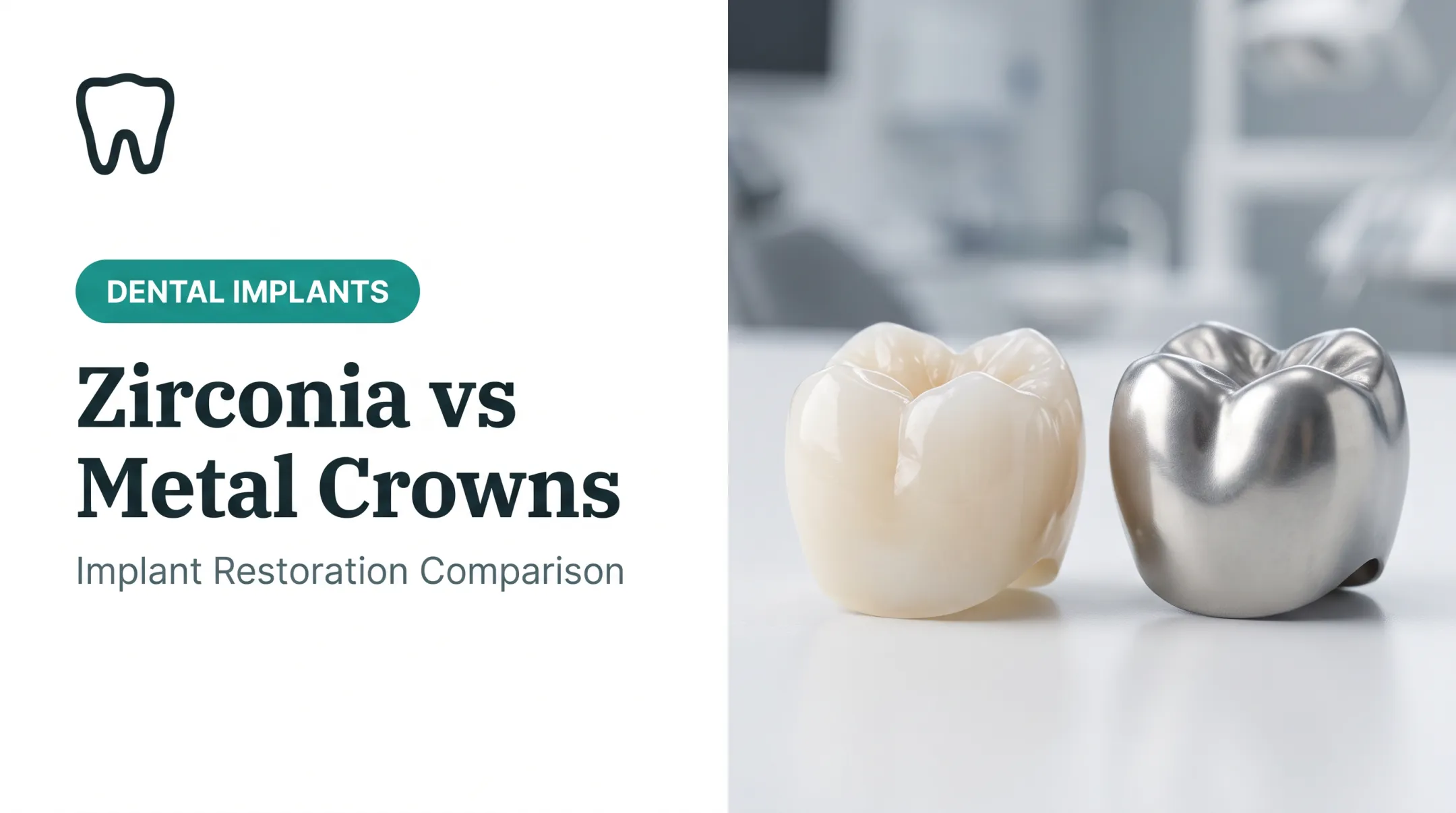
- Zirconium: Opaque, especially in monolithic form; layered versions improve translucency
- Porcelain: Closely mimics natural enamel translucency
Longevity
- Zirconium: Can exceed 10 years with proper care
- Porcelain: Typically 5-10 years depending on location and wear
What is a Zirconium Crown?
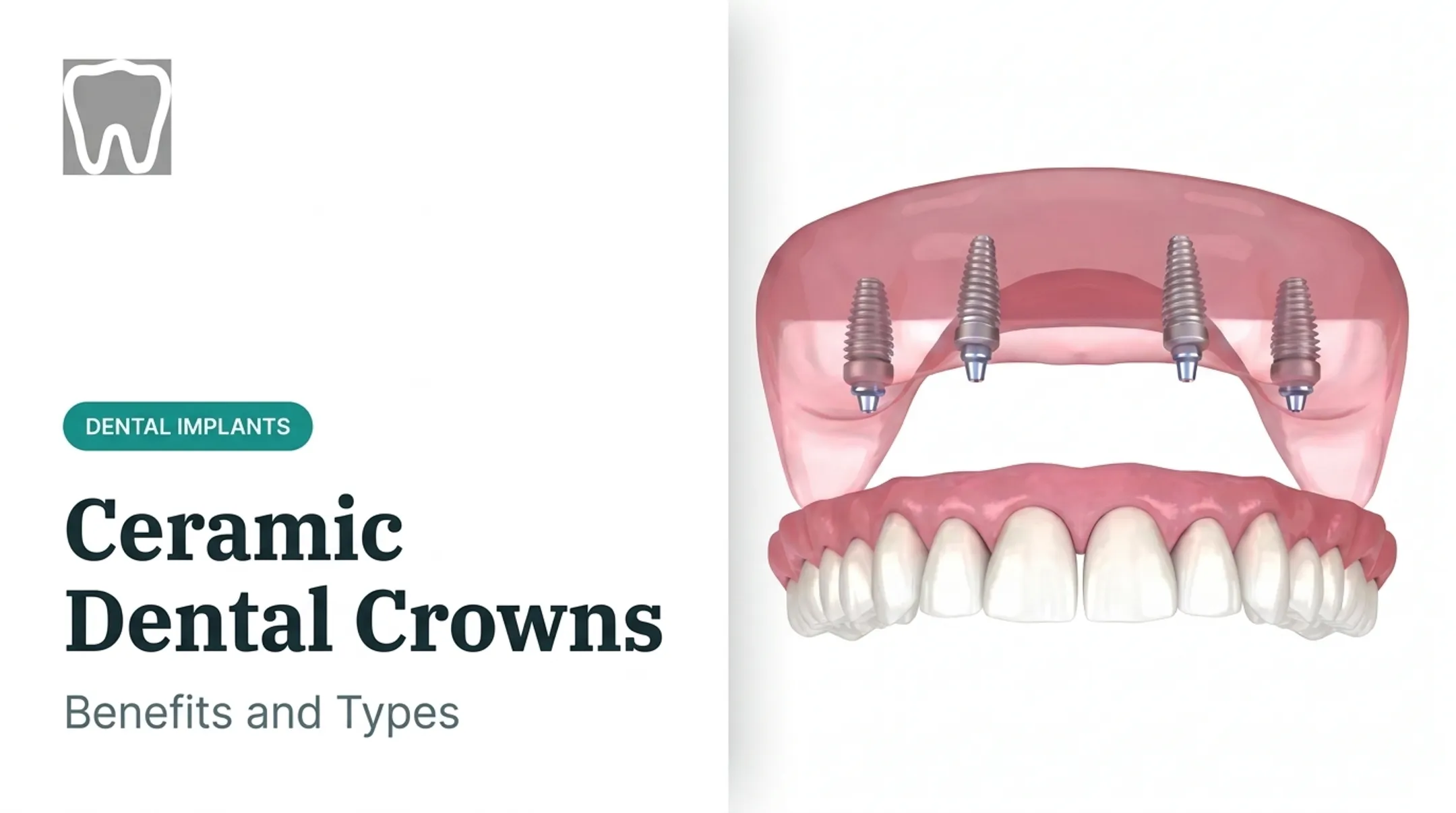
A zirconium crown is a tooth cap milled from zirconium dioxide—often called "ceramic steel" in dentistry—using CAD/CAM technology. It's tough. It resists chipping and cracking far better than traditional porcelain, and it's fully biocompatible, so patients with metal sensitivities can wear it without concern.
There are two main types:
- Monolithic zirconia: Solid zirconia throughout, maximum strength
- Layered zirconia: A zirconia core topped with a porcelain overlay for a more natural appearance

Use Cases of Zirconium Crowns
Zirconium performs best where bite force matters most.
- Molars and back teeth, where chewing pressure is highest
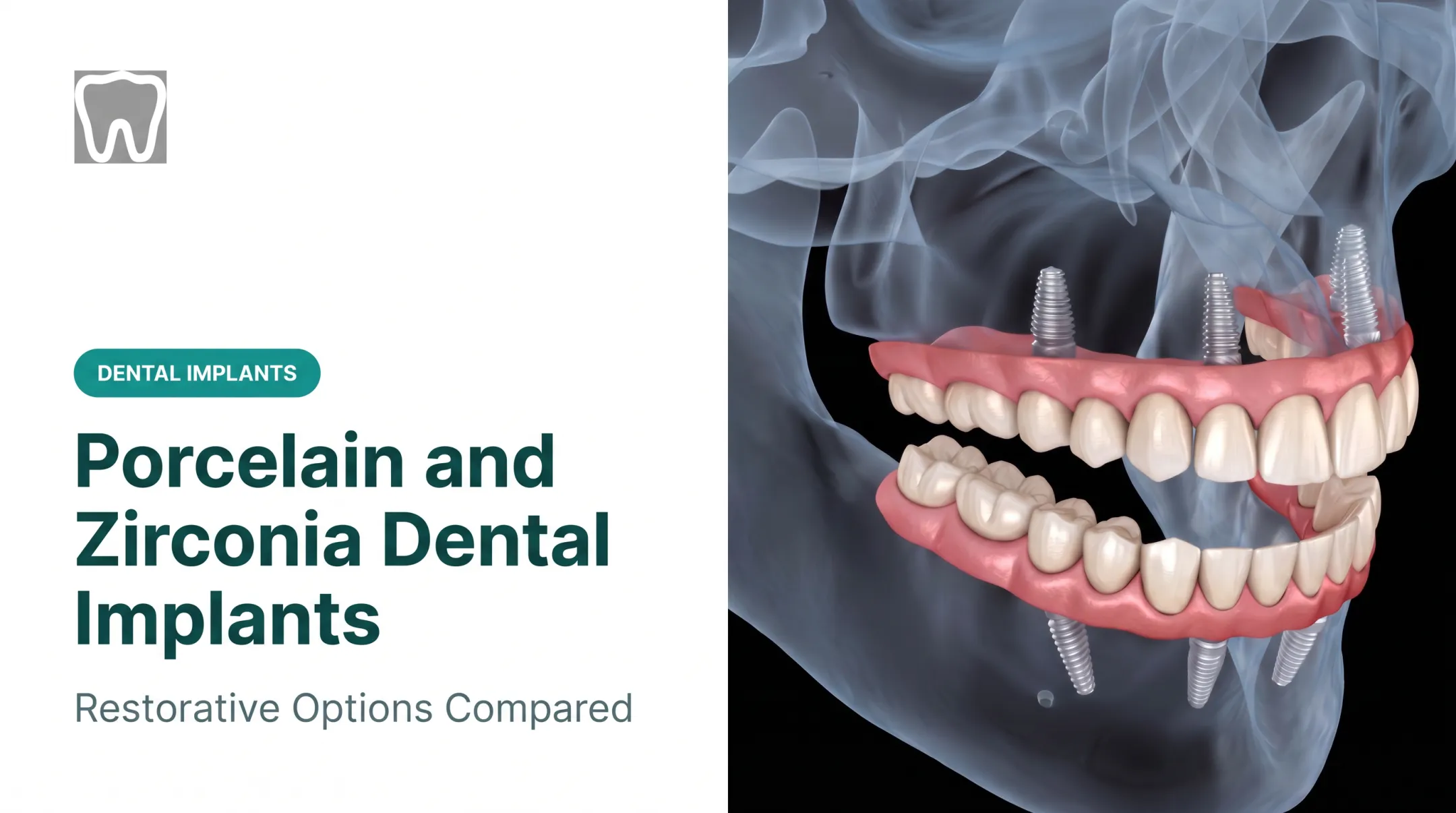
- Dental bridges, where porcelain alone would be too brittle to span multiple teeth
- Bruxism patients who grind or clench, needing a material that won't fracture under stress
A large 2026 meta-analysis covering 8,051 all-ceramic crowns found 97.3% five-year survival for veneered zirconia and 96.8% for monolithic zirconia, according to a 2026 systematic review.
That's a strong track record, though longer studies show more variability. One 15-year study found survival dropping in larger bridges, with failure rates around 30–37% for multi-unit spans over time.
When strength cannot be compromised, zirconia is the preferred metal-free crown option.
What is a Porcelain Crown?
Modern porcelain, particularly lithium disilicate materials like E-Max, is valued for one thing above all: looking real. Light passes through it the way it passes through natural enamel, which is why porcelain remains the top pick for visible teeth.
Core benefits include:
- Superior light transmission and translucency
- Customizable shade-matching for a seamless blend
- Lightweight, natural feel in the mouth
Modern porcelain differs from older porcelain-fused-to-metal (PFM) crowns. PFM crowns use a metal substructure that can show as a gray line at the gumline as gums recede. Full-ceramic porcelain avoids that entirely.
Use Cases of Porcelain Crowns
Porcelain earns its place in the "smile zone."
- Front teeth, where aesthetics matter more than raw bite force
- Cosmetic restorations and veneers requiring precise color matching
- Undetectable results, when patients want the crown to blend completely
Those aesthetic gains come with solid longevity, too. A 2012 study following 104 lithium-disilicate crowns found 97.4% survival at 5 years and 94.8% at 8 years, according to ADA's evidence summary on indirect restorations. A newer 2026 meta-analysis put monolithic lithium-disilicate survival even higher, at 98.5% over five years, comparable to zirconia.

Zirconium vs Porcelain: Which Is Better?
Neither material is universally superior. It depends on where the crown sits, how hard you bite, your budget, and how natural you need it to look.
Choose zirconium if:
- The crown is going on a molar or forms part of a bridge
- You grind your teeth at night
- Long-term strength matters more than perfect translucency
Choose porcelain if:
- The crown is on a front tooth or visible when you smile
- Natural appearance is your top priority
- You're doing cosmetic work like veneers alongside the crown
Many dentists split the difference with a hybrid approach: a zirconia core for structural strength, layered with porcelain for a lifelike finish. This gives patients the durability of zirconia where it's needed most, without sacrificing looks.
One thing both materials share: they're metal-free and biocompatible, eliminating the gray gumline issue that plagued older PFM crowns for decades.
Cost, Care, and Getting Your Crown Done Affordably
Zirconium crowns usually cost more than porcelain, mainly due to the material itself and the milling process required to shape it. Porcelain, especially standard formulations, tends to be more budget-friendly, though premium options like E-Max can close that gap.
Why Location Changes the Math
Where you get treated matters as much as which material you choose. Patients who travel to Mexico for periodontist-led care often save 60-70% compared to US pricing, according to internal treatment data from Dental Implants in Mexico. For reference, US patients traveling for dental tourism broadly can expect savings of 40-65%, according to a report from the Academy of General Dentistry.
At Dental Implants in Mexico, Dr. José Moguel's clinic in Los Algodones offers zirconium crowns and bridges using premium, FDA-approved materials, with transparent pricing and no hidden fees.

Aftercare Tips
Once your crown is placed, daily habits matter as much as the material you chose:
- Brush and floss daily around the crown margin
- Avoid biting hard foods like ice or hard candy
- Wear a nightguard if you grind your teeth
- Keep regular checkups to catch wear or fit issues early
Conclusion
There's no single "better" crown material. Zirconium wins on strength for molars and bridges. Porcelain wins on beauty for front teeth. Match the material to your tooth's location, bite force, cosmetic goals, and budget—and let durability, appearance, and cost guide the talk with your dentist.
A free consultation with a qualified specialist can help you choose the crown that fits your smile and your budget.
Frequently Asked Questions
How long do zirconium crowns last compared to porcelain crowns?
Zirconium crowns can last 10+ years with proper care. Porcelain crowns typically last 5-10 years, depending on wear and tooth location.
How much does a zirconium crown cost compared to a porcelain crown?
Zirconium crowns are usually more expensive due to material and milling costs. Porcelain remains the more budget-friendly option in most cases.
Can zirconium and porcelain be combined in one crown?
Yes. Layered zirconium crowns use a zirconium core for strength topped with a porcelain overlay for natural aesthetics. This hybrid suits teeth that need both durability and a lifelike look.
Which crown is better for front teeth?
Porcelain, particularly E-Max, is generally preferred for front teeth. Its superior translucency mimics natural enamel better than zirconium alone.
Are zirconium or porcelain crowns more likely to cause allergic reactions?
Neither. Both are biocompatible and completely metal-free, so they are safe for patients with metal sensitivities.
Do zirconium or porcelain crowns require more tooth trimming?
Porcelain crowns often require slightly more tooth reduction than zirconium for strength. Zirconium can perform well even at thinner dimensions.