
Here's the short answer: modern anesthesia makes the procedure itself essentially painless. What follows is mild, temporary discomfort that most people manage with over-the-counter medication. This guide walks through each stage of getting a crown, what sensations are normal, and when something needs a dentist's attention.
Key Takeaways
- Local anesthesia numbs the procedure completely; some soreness afterward is normal and short-lived
- Temporary crowns feel more sensitive than permanent ones and need gentler care
- Pain that worsens or throbs past two weeks needs professional evaluation
- Experienced specialists using digital tools and premium materials reduce discomfort and complications
Why You Might Need a Dental Crown
Crowns aren't just cosmetic add-ons. Dentists recommend them for several structural reasons, including:
- Extensive decay too large for a standard filling to fix
- Cracked or fractured teeth that need reinforcement to prevent further damage
- Post-root-canal protection, since a treated tooth becomes brittle without a hard outer shell
- Severe wear from grinding or long-term erosion
- Cosmetic correction for misshapen or discolored teeth
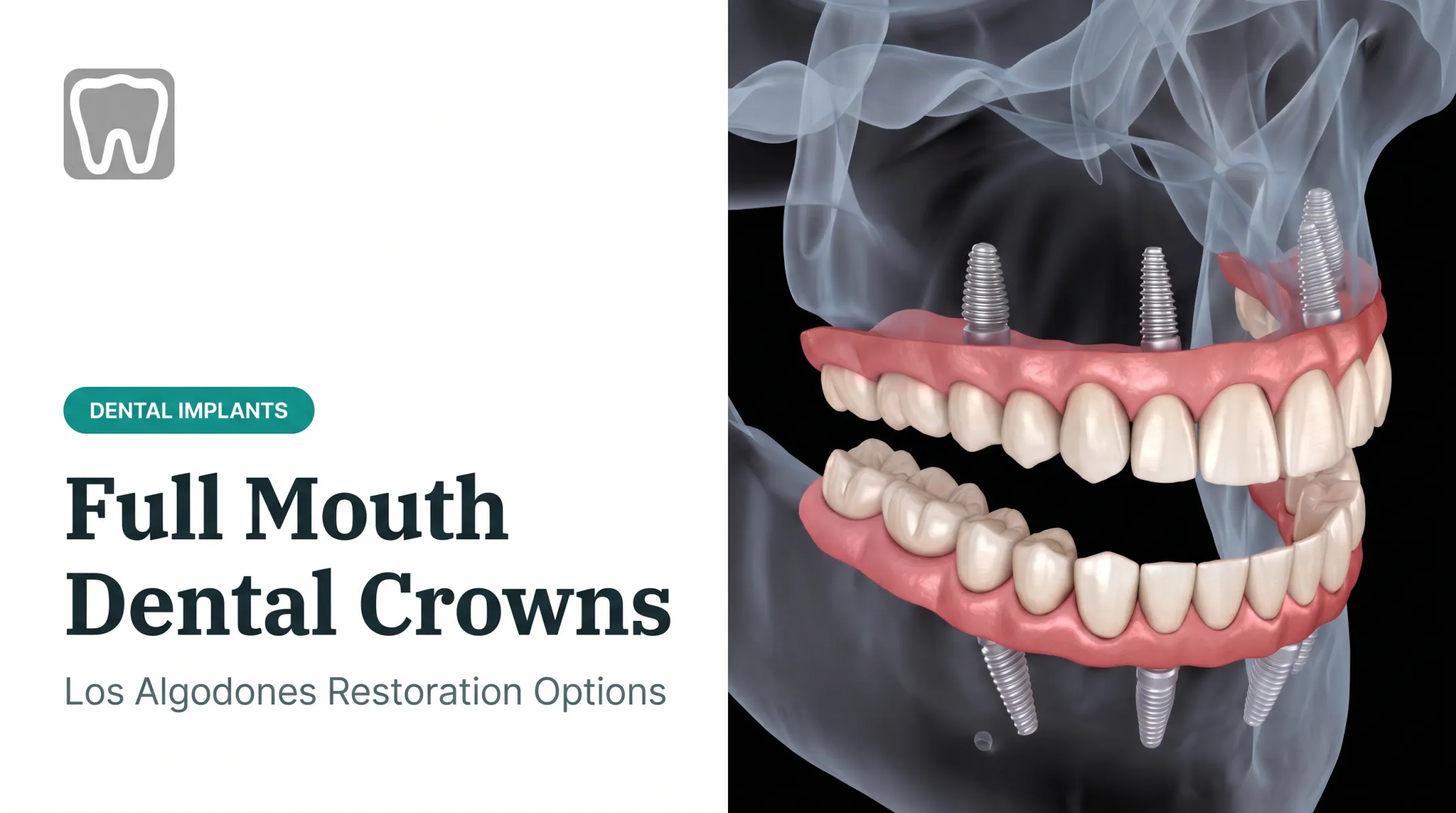
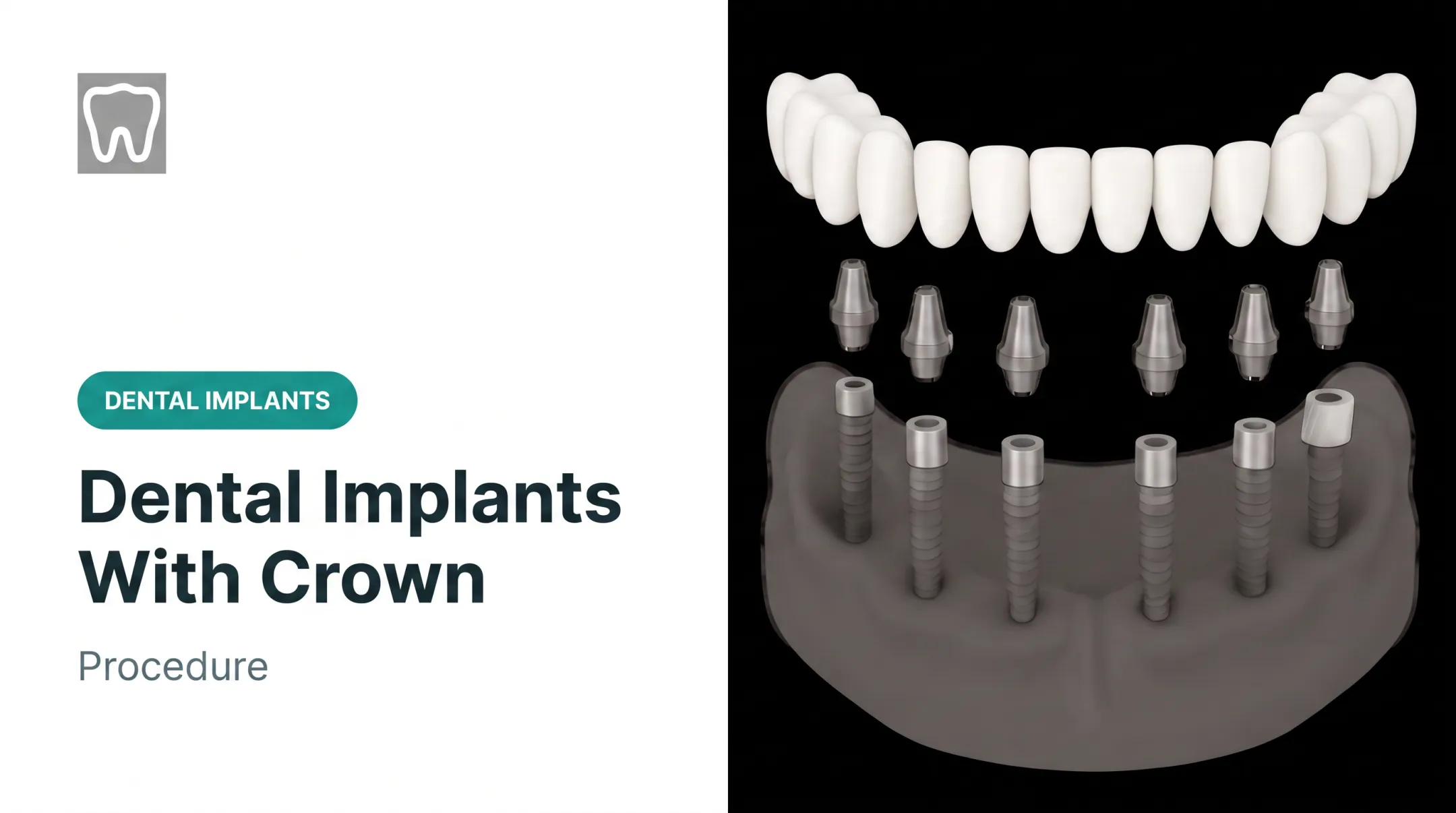
Crowns also complete implant restorations. After the implant integrates with the bone, a custom abutment and ceramic crown restore the visible tooth. That final step often ties into single-tooth replacement or full-mouth planning.
Before treatment begins, a dentist confirms candidacy with a clinical exam and imaging. Many clinics use 3D Cone Beam CT scans to map the tooth and surrounding bone in detail.
Does Getting a Dental Crown Hurt? What Happens Step by Step
The procedure itself shouldn't hurt. Local anesthesia numbs the tooth and surrounding gum tissue completely before any work begins.
The First Appointment
Your dentist numbs the area, then reshapes the tooth to make room for the crown. This is the "prep" stage, and it involves:
- Removing decayed or damaged tooth structure
- Shaping the remaining tooth into a stable base
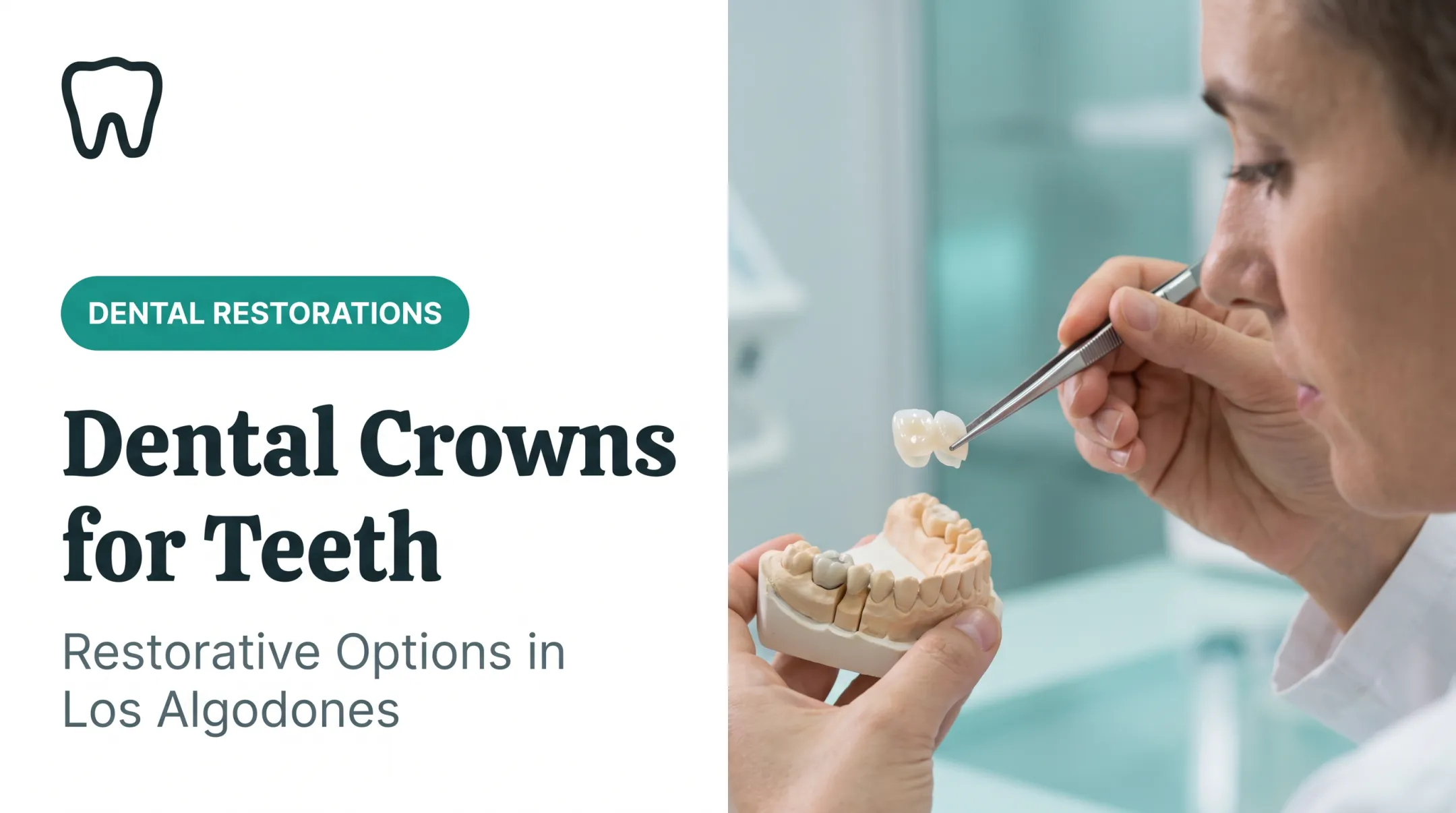
- Taking a digital scan or physical impression for the crown's fabrication
- Fitting a temporary crown to protect the tooth between visits

The Second Appointment
Once your permanent crown is ready, the dentist removes the temporary, checks the fit and color match, then bonds the final crown in place. Minimal anesthesia is usually needed here, since there's far less tooth structure to work on.
Some clinics now offer same-day crowns using digital scanning and in-house CAD/CAM technology. This skips the temporary-crown stage entirely and cuts down on extra appointments.
Why Prep Might Feel Slightly Sensitive
Tooth enamel is largely mineralized and doesn't respond to stimuli the way deeper layers do. Dentin, the layer beneath enamel, contains microscopic tubules connected to the nerve. When these tubules are exposed during shaping, they can trigger dentin hypersensitivity: brief, sharp sensations rather than ongoing pain.
If your tooth previously had a root canal, the nerve is typically already removed. That means little to no sensitivity during prep, since there's no live nerve tissue left to react.
What You'll Feel: Sensations During and After Treatment
During the Appointment
Expect a few non-pain sensations once work begins:
- A brief pinch from the numbing injection
- Pressure or vibration from the instruments
- Water, suction, and jaw fatigue from holding open
None of this should register as pain once you're numb.
Wearing a Temporary Crown
Temporary crowns are more sensitive than the real thing. Expect:
- Mild reaction to hot or cold foods
- A slightly different bite feel than your natural tooth
- Avoid sticky or hard foods that could dislodge it
After the Permanent Crown Is Placed
Once your permanent crown is bonded, most patients report virtually no pain the next day, with any minor soreness easily managed by ibuprofen. You might notice:
- Mild gum tenderness around the crown margin
- Awareness of the crown when biting
- Minor temperature sensitivity that fades within days to two weeks

Normal vs. concerning discomfort: Cleveland Clinic notes that some sensitivity to heat and cold for a couple of weeks after crown placement is expected. Discomfort that steadily improves is normal. Pain that intensifies or throbs is not — contact your dentist promptly.
Managing Discomfort and Caring for Your Crown
Most post-crown soreness responds well to simple home care:
- Over-the-counter pain relief: ibuprofen or acetaminophen handles typical soreness
- Soft-bristle brushing: clean around the crown margin to avoid irritating tender gums
- Salt water rinses: soothe the area gently
While you wear a temporary crown and during the first few days after final placement, avoid:
- Hard foods (nuts, ice, hard candy)
- Sticky foods (caramel, gum)
- Very hot or very cold foods and drinks
Long-term, your crown's lifespan depends heavily on maintenance. Good oral hygiene, plus regular check-ups, prevents decay from forming at the crown's margin — a common failure point that has nothing to do with the crown material itself.
When to Seek Professional Dental Assessment
Most crown recovery is uneventful. But watch for these red flags:
- Worsening pain instead of gradual improvement
- Sharp pain on biting, which often signals a "high bite"
- Swelling around the gum line
- Prolonged temperature sensitivity that lingers more than a few seconds after hot or cold is removed
- A loose or shifting crown
A high bite is one of the most common and easiest problems to fix. If your crown sits slightly too tall, it takes excess pressure with every bite. A quick adjustment, filing down a fraction of a millimeter, usually solves it in minutes.
Persistent or throbbing pain is a different story. It can indicate nerve inflammation or infection developing beneath the crown, which needs prompt dental evaluation rather than home management.
Getting Crowns as Part of Advanced Restorative Care
A single crown often fixes one damaged tooth. When several teeth need work—or a tooth cannot be saved—treatment may expand to implants, bridges, or full-mouth reconstruction. Then the provider’s experience matters as much as the crown material.
Dr. José Moguel, a board-certified periodontist at Dental Implants in Mexico, brings over 38 years of clinical experience and more than 17,000 implants placed to restorative cases like these. His clinic in Los Algodones, Baja California, uses:
- 3D Cone Beam CT imaging for precise treatment planning
- Digital scanning instead of traditional impressions
- An in-house CAD/CAM lab for same-day crown fabrication

Full-mouth cases may combine All-on-4, All-on-6, or the clinic’s patented 3-ON-8™ protocol with zirconia or ceramic fixed bridges.
Patients from the US and Canada typically report savings of 60–70% compared with prices at home. Calgary patient Margaret “Maggie” K., for example, saved over 65% on All-on-6 treatment versus Canadian quotes.
Free consultations and transparent, upfront pricing mean you know what to expect clinically and financially before you commit.
Frequently Asked Questions
Do teeth go bad under crowns?
Yes, they can. Decay can still develop at the crown's margin if oral hygiene is neglected. Regular brushing, flossing, and check-ups keep the underlying tooth healthy long-term.
Does a crown hurt more than a root canal?
Both procedures use anesthesia and are generally painless during treatment. Root canals address infected nerve tissue and can mean a bit more soreness afterward than a routine crown.
Is the numbing injection for a crown painful?
It's typically a brief, mild pinch. Many dentists apply a topical numbing gel first, which reduces the sensation even further.
How long does sensitivity last after getting a crown?
Mild sensitivity usually resolves within one to two weeks with proper care. If it lingers longer or worsens, see your dentist.
Can I eat normally with a temporary or permanent crown?
Once a permanent crown settles in, normal eating resumes. Temporary crowns need more caution — avoid sticky or hard foods that could dislodge them.
How long do dental crowns typically last?
With proper care, crowns commonly last a decade or more; clinical data shows survival rates around 90% at 5 years and roughly 81% at 10 years. Individual results vary based on hygiene, material, and bite forces.