
Yet veneers seem deceptively simple. Patients often misunderstand what actually happens to the natural tooth underneath, which leads to unrealistic expectations or unnecessary hesitation. This guide breaks down exactly how veneers work, step by step, from your first consultation to the final bonding appointment.
TL;DR
- Veneers are thin shells bonded to the front of teeth to fix chips, stains, and gaps
- The process runs through consultation, tooth preparation, impressions, temporary veneers, and final bonding
- Porcelain veneers last 10-20 years; composite veneers last 5-7 years
- Costs vary by material and location — porcelain runs $450 per tooth in Mexico versus $1,500 per tooth in the US
What Are Dental Veneers?
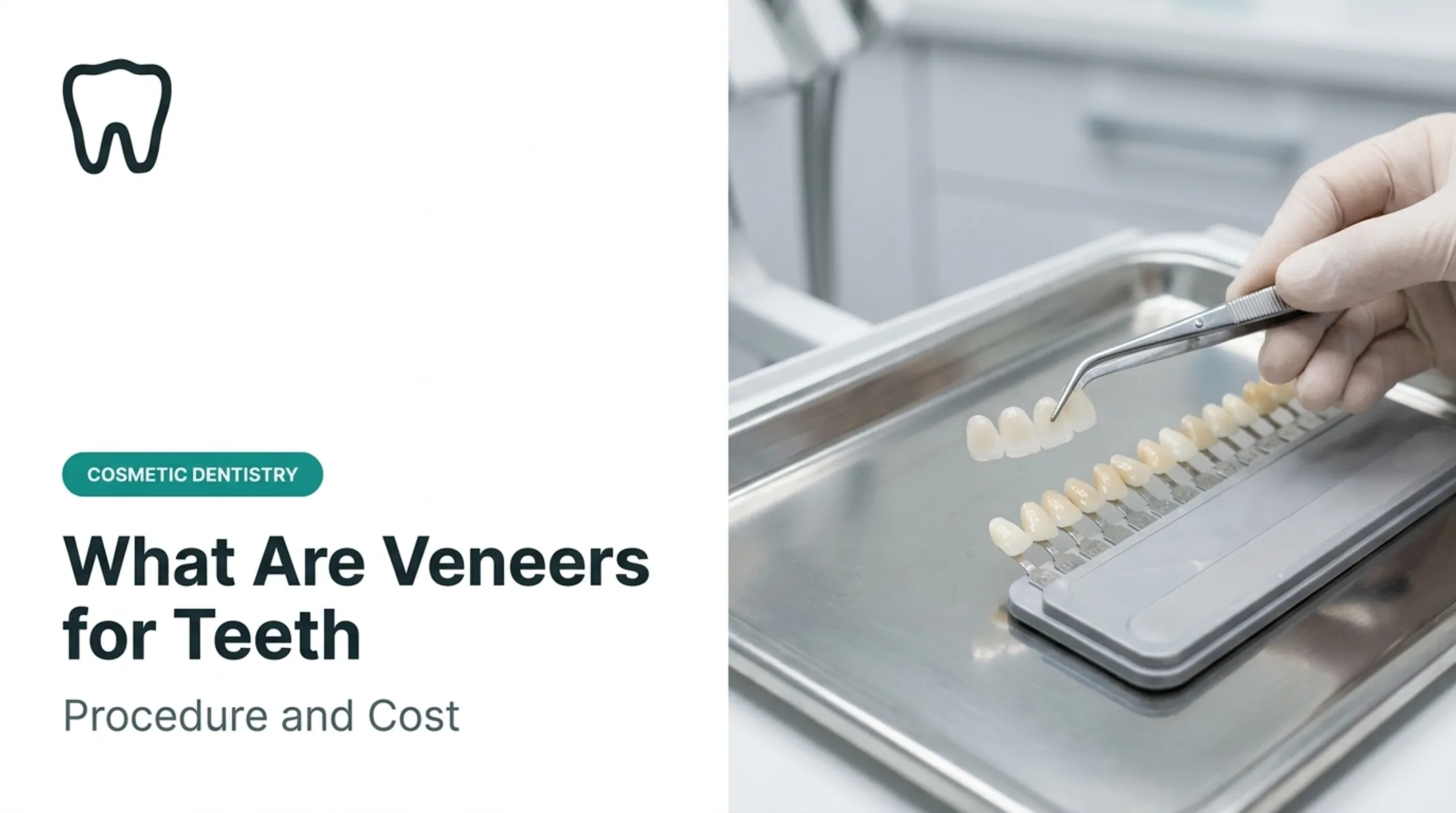
Veneers are thin, custom-made, tooth-colored shells bonded to the visible surface of a tooth to change its shape, size, or color. According to the American Dental Association, they're designed to improve the appearance of chipped, broken, stained, crooked, or misshapen teeth, and can mask minor gaps too.
They solve a specific problem: cosmetic issues that whitening or minor bonding can't fix. Deep stains resistant to bleaching, oddly shaped teeth, or small gaps between front teeth are prime candidates.
Veneers vs. crowns and implants
- A crown covers the entire tooth structure, not just the front surface
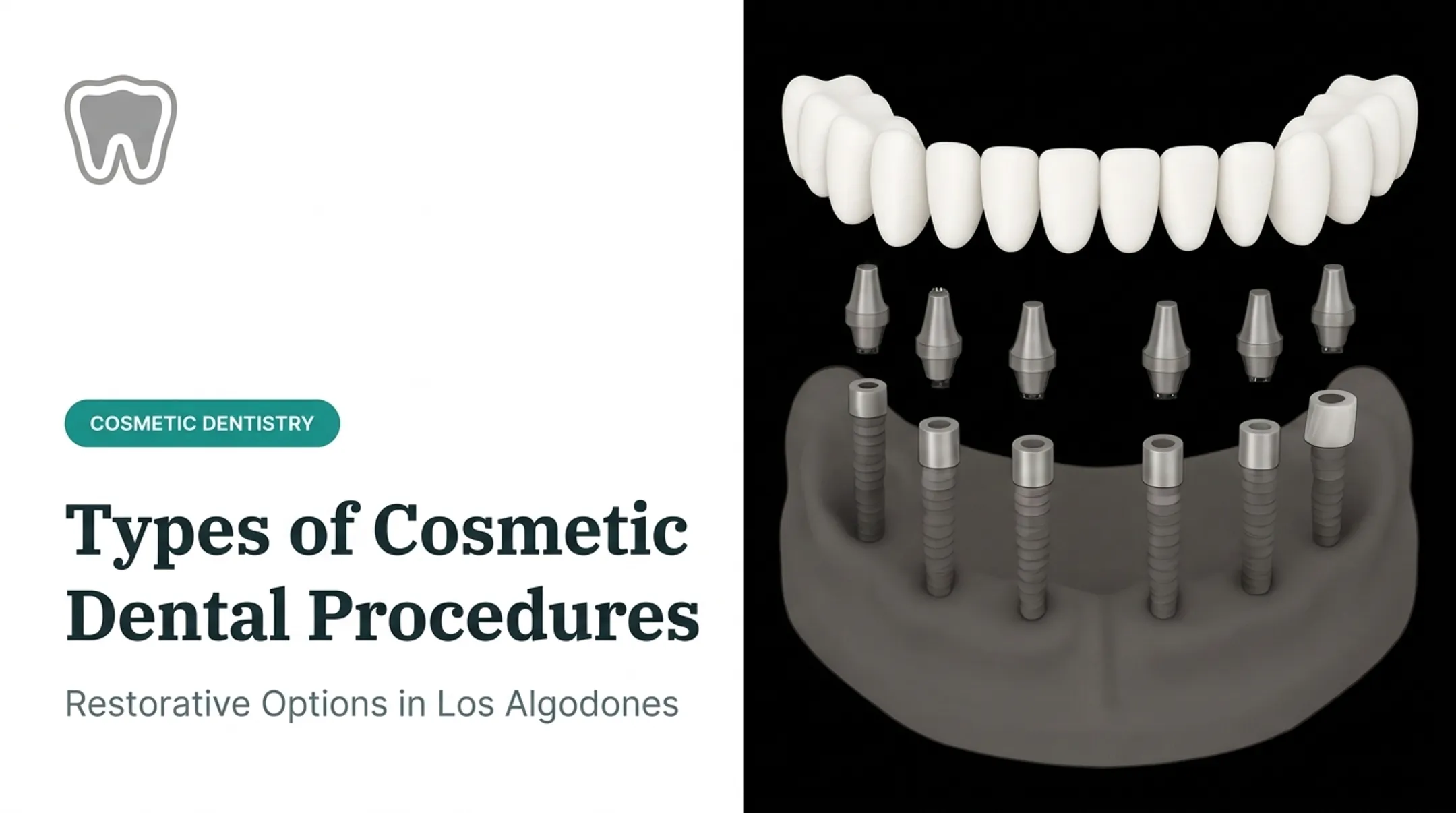
- An implant replaces a missing tooth entirely, root and all
- A veneer only masks the visible face of an existing, structurally sound tooth
Veneers stay popular despite alternatives like composite bonding or orthodontics. They deliver durable, natural-looking results in far fewer appointments. Three main types exist:
- Porcelain veneers: lab-fabricated, most durable, most natural-looking
- Composite resin veneers: sculpted chairside, less expensive, easier to repair
- No-prep veneers (like Lumineers-style products): minimal enamel removal, though Healthline notes some reduction is often still needed
How Do Veneers Work? (Step-by-Step Process)
Veneers aren't a one-visit fix. The process unfolds across several appointments, each one building toward the final result.
Consultation and Planning
Your dentist starts with an exam, X-rays, and a conversation about your aesthetic goals. This confirms you're a good candidate.
Before moving forward, dentists check for:
- Active tooth decay
- Gum disease
- Bite misalignment issues
Any of these need treatment first. Placing veneers over unhealthy teeth can make existing problems worse. Once your mouth is cleared, the dentist takes impressions or digital scans to begin designing your veneers.
Tooth Preparation
For traditional porcelain veneers, the dentist removes a thin layer of enamel from the tooth's surface, typically in the range of 0.4-0.7mm depending on the tooth region and case, according to a peer-reviewed review of veneer preparation techniques. No-prep veneers require little to no reduction, though some enamel contouring is common even here.
This step matters because it's largely irreversible for traditional veneers. Once enamel is removed, that tooth needs a covering (a veneer, or eventually a crown) for life. That's why trial fittings and careful planning happen before any drilling starts.

Fabrication and Temporary Veneers
Impressions head to a dental lab, where technicians craft your custom veneers. This typically takes one to three weeks. Meanwhile, most dentists fit temporary veneers so you're not walking around with prepped teeth exposed. Temporaries also give you a preview of your new smile before the permanent set arrives.
Bonding and Placement
At your final appointment, the dentist:
- Checks fit, shape, color, and shade against your natural teeth
- Cleans and etches the tooth surface so the veneer can bond securely
- Applies dental cement and hardens the veneer instantly with a curing light
- Verifies your bite and trims away excess cement before you leave
This appointment typically runs one to two hours, depending on how many teeth are being treated.

Aftercare and Adjustment
Mild sensitivity to hot or cold, or a slightly unfamiliar bite feeling, is normal for the first few days. Most clinics schedule a follow-up visit to check gum response and confirm everything feels comfortable.
Where Veneers Are Commonly Used
Veneers are almost always placed on the top six to eight front teeth — the ones that show most when you smile or talk. That's where cosmetic flaws are most noticeable and where patients want the biggest visual impact.
Common issues veneers address:
- Chips and small fractures
- Discoloration that won't respond to whitening
- Gaps between teeth
- Misshapen or worn-down teeth
Veneers work best on structurally healthy teeth. If a tooth has extensive decay, a large filling, or significant structural damage, a crown is usually the better option since it covers and reinforces the entire tooth.

Patients researching full-mouth reconstruction should understand this difference early. Mixing the two treatments based on each tooth's condition is common.
Cost and Where to Get Veneers
Veneer pricing varies widely by material, location, and dentist expertise.
| Market | Porcelain veneer cost (per tooth) |
|---|---|
| United States | $1,500 average |
| Mexico | $450 average |
That's roughly a 70% savings for patients who cross the border for treatment. Composite veneers run cheaper upfront in the US (roughly $400-$2,000, per Healthline's cost breakdown), but porcelain typically delivers better long-term value because it lasts two to three times longer.

Clinics near the US-Mexico border have built entire practices around this cost gap. Dental Implants in Mexico, based in Los Algodones — a short walk from the Andrade, California border crossing — offers veneers alongside related cosmetic and restorative care.
Lead periodontist Dr. José Moguel holds ADA and ADM board certification, with over 38 years of clinical experience and more than 17,000 implants placed. For patients comparing home-country pricing with border savings, transparent per-tooth quotes make the decision straightforward.
Conclusion
Veneers work through a deliberate sequence: assessment, enamel preparation, fabrication, and bonding, all designed to protect the underlying tooth while transforming how it looks. Understanding each stage, especially what happens to your natural tooth, helps you walk into a consultation with realistic expectations rather than guesswork.
Whether you pursue treatment at home or explore savings at a clinic in Los Algodones, knowing the process puts you in a stronger position to compare options and ask the right questions at your consultation.
Frequently Asked Questions
What happens to your teeth under veneers?
A thin layer of enamel is removed to make room for the veneer. Your natural tooth remains underneath and still needs regular brushing, flossing, and checkups to prevent decay.
How much do veneers cost?
Porcelain veneers average $1,500 per tooth in the US, compared to $450 per tooth in Mexico. Composite veneers cost less but don't last as long, affecting long-term value.
How long do dental veneers last?
Porcelain veneers typically last 10-20 years with proper care. Composite veneers last around 5-7 years before needing replacement.
Do veneers hurt?
Local anesthetic is commonly used during traditional tooth preparation. Mild soreness or sensitivity to temperature is normal for a few days afterward.
Can veneers be removed or reversed?
Traditional veneers are considered permanent since enamel removal can't be undone. No-prep veneers offer a more reversible option, though some enamel changes may still occur.
Are veneers the same as crowns or implants?
No. Veneers only cover the front surface of a tooth. Crowns cover the entire tooth, and implants replace a tooth that's already missing.