
For patients researching treatment options—especially those weighing care outside their home country—understanding these advances matters. The technology a clinic uses often says more about outcomes than the price on the quote. This article breaks down the biggest shifts happening in implant dentistry right now, what's driving them, and what to check before choosing a provider.
TL;DR
- 3D imaging and digital planning now map bone, nerves, and sinuses before surgery starts
- Guided surgery improves placement accuracy and can reduce grafting needs
- Titanium remains the stronger long-term performer, though zirconia offers a metal-free alternative
- Immediate-load protocols like All-on-4 let many patients leave with functional teeth same-day
- Board certification and verified technology matter as much as the equipment itself
3D Imaging and Digital Treatment Planning
Cone Beam CT (CBCT) scanning has become a baseline expectation in implant dentistry. Unlike a flat 2D X-ray, CBCT builds a three-dimensional map of a patient's jaw, showing bone density, nerve position, and sinus location before a single incision is made.
A 2024 implantology report found that surgery had to be aborted in 7% of cases planned with older 2D panoramic X-rays, compared to 0% when CBCT was used for planning (MDPI, 2024). That gap is the difference between a mid-surgery surprise and a plan that accounted for the anatomy from the start.

Why This Reduces Guesswork
CBCT lets the treating dentist:
- Determine exact implant length, width, and angle before surgery
- Map nerve pathways to avoid irritation or numbness
- Assess sinus location for upper-jaw cases
- Plan around bone density variations that 2D images miss entirely
Digital planning software then uses the CBCT volume to place implants virtually, check nerve and sinus clearances, and design surgical guides before anyone reaches the chair.
At our clinic, every implant patient receives a high-resolution 3D CBCT scan as standard workup, not an add-on limited to full-arch cases. For full-mouth reconstruction, we merge that scan with digital mouth scanning and facial aesthetic planning so prosthetic design and implant positions are set before surgery starts.
Computer-Guided and Minimally Invasive Surgery
Once a 3D scan exists, the next step is turning that data into action. Digital treatment plans now translate into custom surgical guides or real-time navigation systems that direct implant placement during surgery itself.
A 2025 umbrella review covering 13 systematic reviews found guided implant placement delivered better coronal accuracy than freehand placement (SMD -0.97, P<.01), while implant survival rates stayed comparable between the two approaches (systematic review, 2025). Guided surgery improves placement accuracy without reducing implant survival.
What this looks like in practice:
- Smaller incisions, often with flapless procedures
- Less soft-tissue trauma and swelling
- Fewer separate bone-grafting visits
For All-on-6 procedures, our clinic uses digital surgical guides alongside CBCT imaging to map the exact position, depth, and angle of all six implants before surgery starts. That planning is one reason guided workflows appeal to patients balancing travel time with treatment: fewer surprises usually mean fewer trips.

Advanced Implant Materials and In-House CAD/CAM Fabrication
Titanium has been the implant material of record for decades, and it's still the better-supported choice in most clinical evidence. But zirconia has carved out a legitimate role for patients who need or want a metal-free option.
A 2025 prospective study reported 5-year survival of 96% for titanium versus 94% for zirconia—a small gap, but one worth noting for patients weighing the two (PMC, 2025). Zirconia's appeal isn't really about survival rate anyway. It's white instead of gray, which avoids a dark shadow through thin gum tissue, and it's a better fit for patients with metal sensitivities.
Same-Visit Custom Fabrication
In-house CAD/CAM labs have changed what's possible during a single visit. Rather than sending impressions to an outside lab and waiting weeks, clinics can design and mill:
- Custom crowns and bridges
- Full-arch prosthetics
- Temporary fixed bridges for immediate use
That turnaround matters for patients traveling for care, who need prosthetics finished inside a short treatment window instead of across repeat trips.
Our clinic's in-house CAD/CAM lab handles this work directly, including custom-milled zirconia bridges for 3-ON-8™ cases and precision impressions for All-on-6 restorations. We use FDA-cleared implant systems from Nobel Biocare, Straumann, and MegaGen: premium grade-5 titanium and metal-free zirconia, not generic alternatives.
Nobel Biocare's N1 TiUltra, Straumann's Roxolid SLA, and MegaGen's AnyRidge each hold FDA 510(k) clearance.
Immediate-Load, Full-Arch Protocols (Teeth-in-a-Day)
Perhaps the most patient-visible advance is immediate loading: fitting a functional temporary prosthesis the same day implants are placed, rather than waiting months.
A prospective study of 30 patients compared immediate loading (72 hours) with delayed loading (4 months). Implant survival was 100% for immediate loading versus 99.3% for delayed over an average follow-up of 32.5 months (PMC, 2016. With proper case selection, immediate loading is a validated protocol with survival matching delayed approaches.
Full-arch survival data by implant count (2024 systematic review):
| Protocol | Survival Rate | Mean Follow-Up |
|---|---|---|
| Four implants (All-on-4) | 98.5% | 3.4 years |
| Six implants (All-on-6) | 97.0% | 4.5 years |

How Angled Placement Avoids Grafting
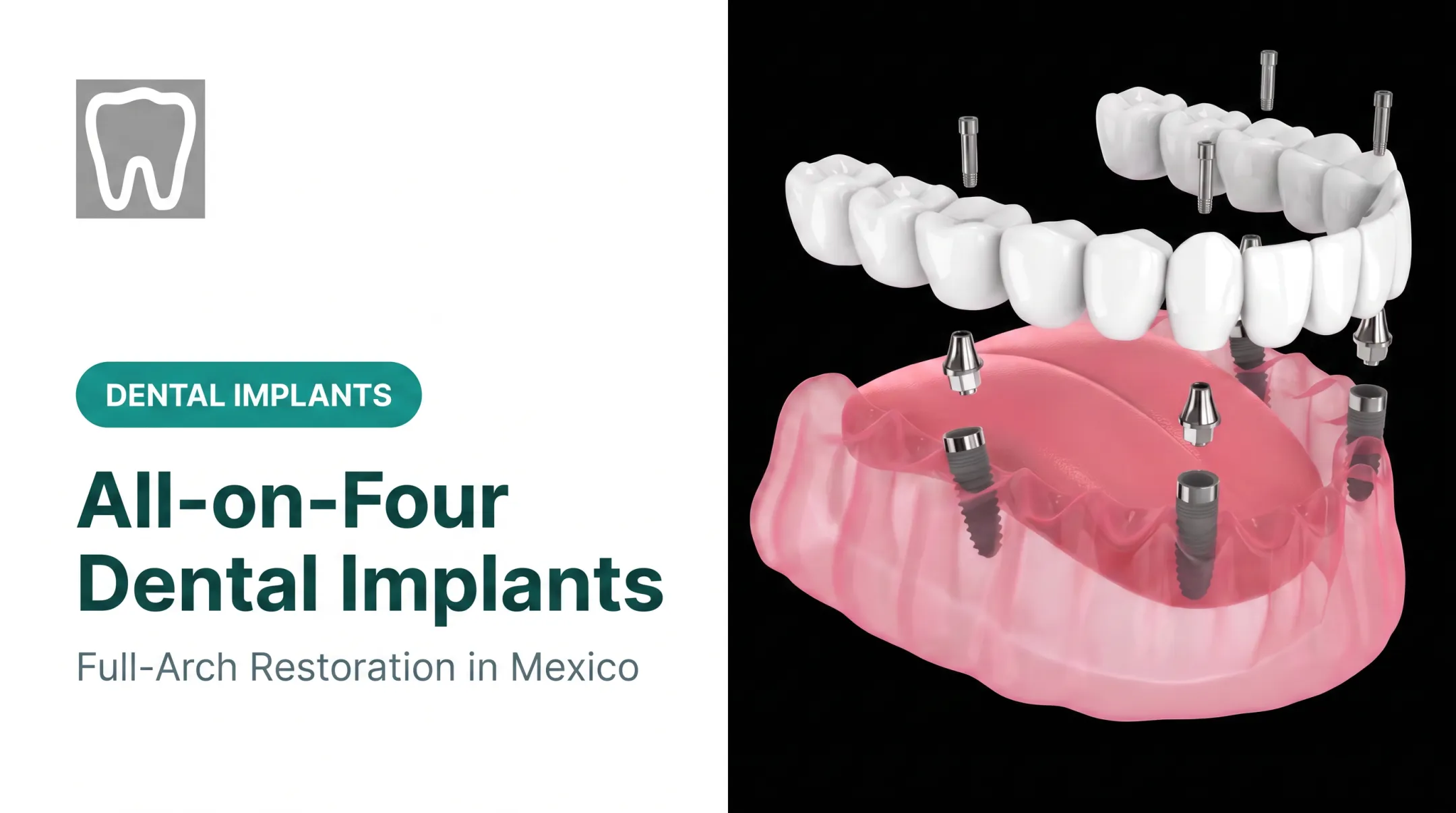
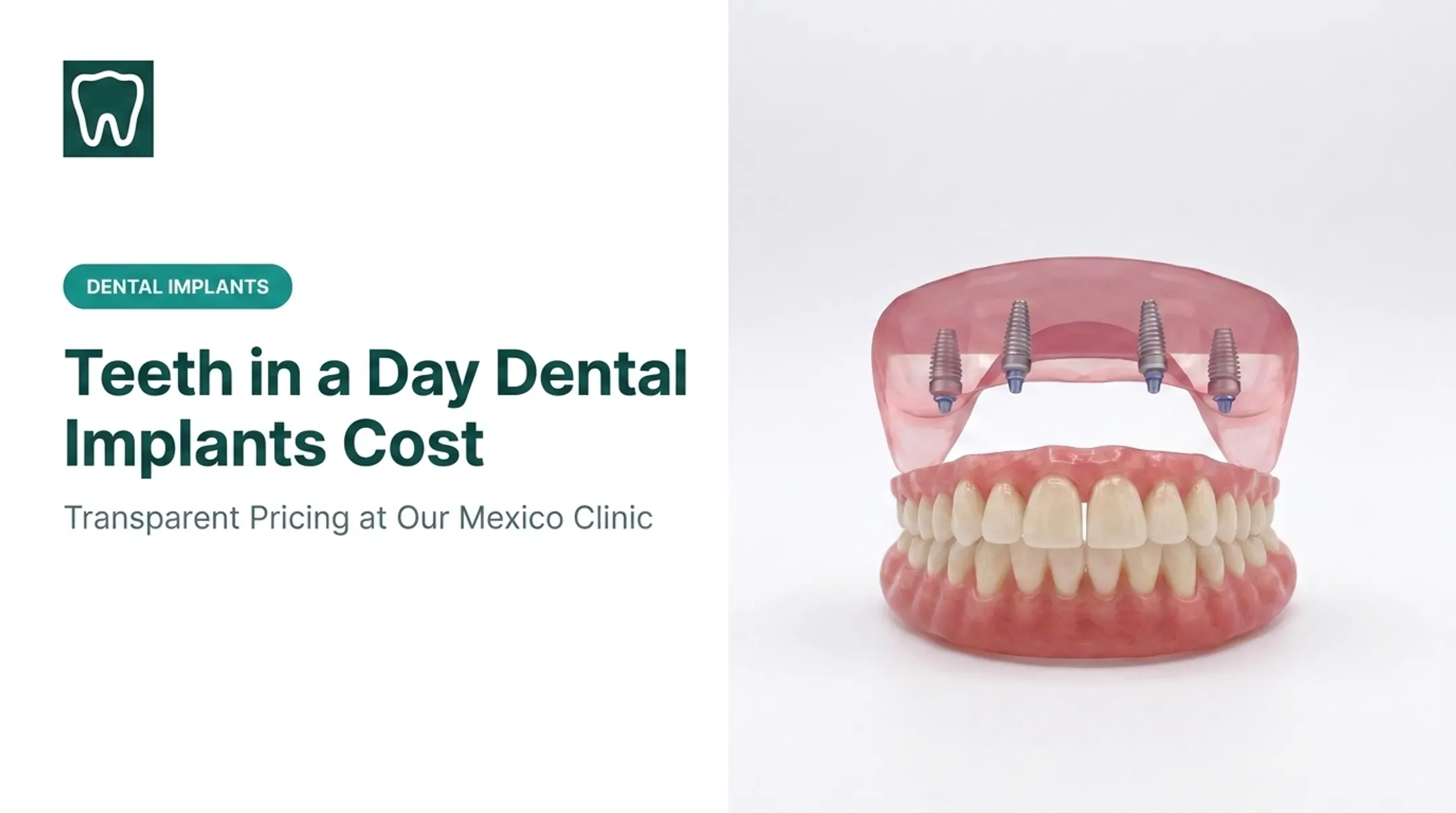
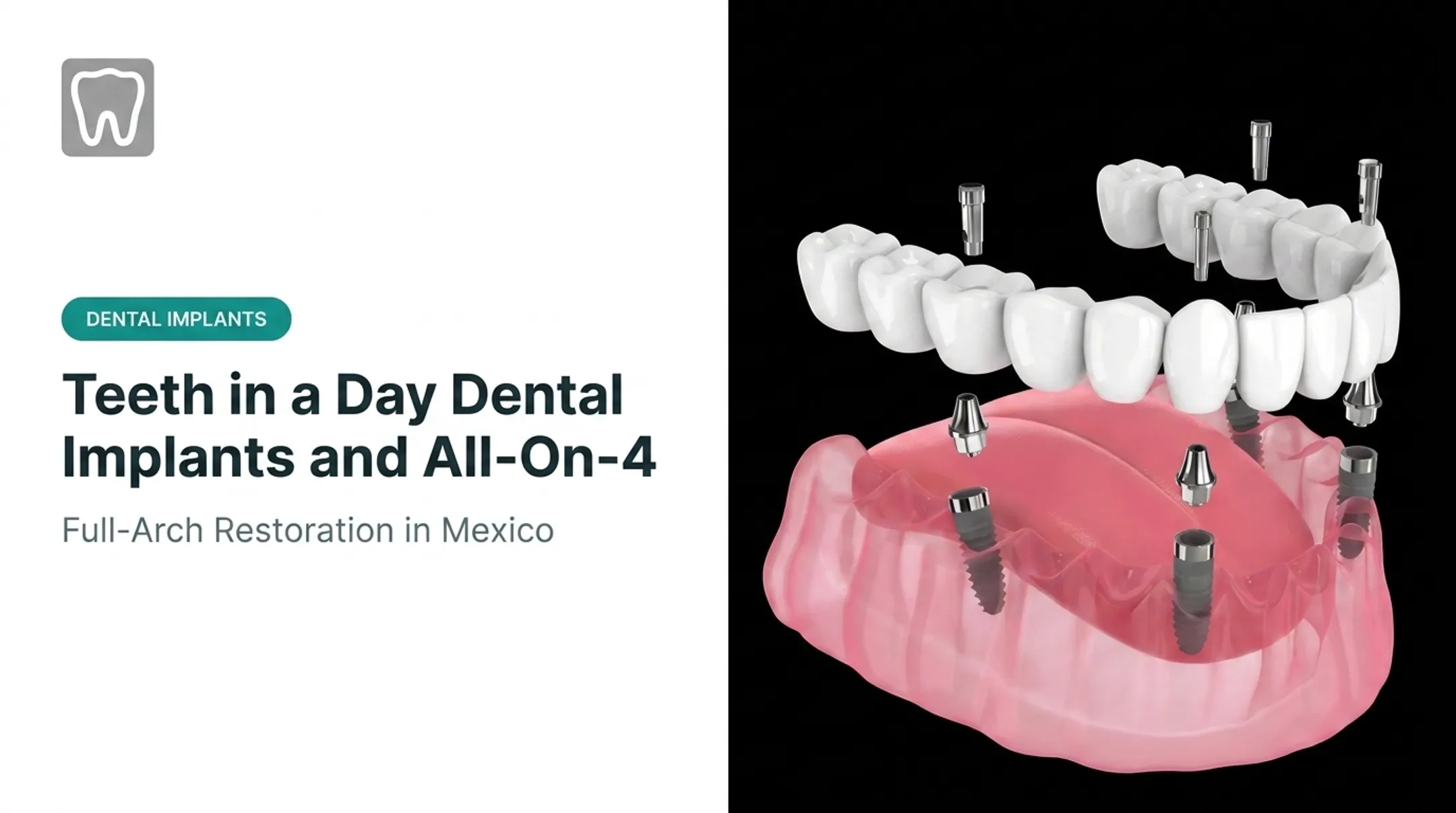
All-on-4 places two implants vertically in front and two tilted at roughly 45 degrees in back, bypassing the sinus cavities and mental nerve. This often eliminates the need for bone grafting, though it is not guaranteed for every patient. Candidacy still depends on individual bone anatomy assessed via CBCT.
Our periodontist-developed 3-ON-8™ protocol takes a different approach: eight implants per arch supporting three independent zirconia bridges. Force is distributed more naturally, and one section can be repaired without removing the entire restoration.
Combined with All-on-4 and All-on-6 options, these same-day-capable protocols cut the number of trips patients need. Most complete treatment in two visits total, separated by 4–6 months of healing.
Regenerative Techniques and Digital Monitoring
Not every patient walks in with ideal bone density. Regenerative techniques are expanding who qualifies for implants without extensive preparatory surgery.
Bone grafting materials have diversified beyond a patient's own harvested bone to include:
- Donor bone (allografts)
- Synthetic bone substitutes
- Xenografts (animal-derived bone)
A 2021 review notes that while synthetic substitutes are generally osteoconductive, few match autograft bone for generating new bone volume (PMC, 2021). Bone integration typically takes 3-6 months regardless of material used.

After placement, monitoring is the other half of long-term success. Smart implant sensors (devices embedded in implants to flag early infection or failure) are still largely at the prototype stage. A 2023 review describes this as an emerging field, not a commercially routine product (PMC, 2023). If a clinic claims sensor-based implant monitoring today, ask for specifics.
What's Driving These Dental Implant Trends
Three forces are pushing implant technology forward faster than most other areas of dentistry.
Patient expectations have shifted. Fewer appointments, faster recovery, and less invasive surgery are baseline requests now, not optional extras.
Cross-border demand is real. Dental tourism is a growing category. Savings in Mexico are commonly cited at 40-65% versus US pricing for dental care (AGD, 2020). The CDC notes dental care is the most common reason Americans travel abroad for medical treatment.
Digital manufacturing has gotten cheaper. In-house CAD/CAM milling and 3D printing have dropped production costs and turnaround times. As a result, same-day protocols are now widely available rather than experimental.
How These Trends Are Impacting Patients and Providers
These advances change day-to-day outcomes for patients and the clinics that treat them.
Patient impact:
- Shorter treatment timelines with fewer separate surgical visits
- Reduced post-op discomfort from smaller, guided incisions
- Same-day temporary teeth in eligible full-arch cases
Clinical impact:
- Better placement accuracy from guided workflows
- More predictable outcomes from 3D-based planning versus 2D imaging alone
- Shorter surgical time per case with pre-planned guided protocols
Travel and access impact:
- International patients can often complete full-arch treatment in one or two visits instead of multiple trips
- Digital planning ahead of the visit means less in-chair adjustment time once the patient arrives
Choosing a Provider That Uses These Advances
Technology alone doesn't guarantee a good outcome. The person operating it matters just as much. Before committing to a provider, verify:
- Board certification — Confirm the treating dentist's actual license and specialty training, not just a marketing label like "implant specialist"
- 3D imaging as standard, not an upgrade — Ask whether CBCT is used for every case or only select ones
- In-house digital lab capability — Same-visit design and milling reduce turnaround and errors
- FDA-cleared implant brands — Ask specifically which systems are used (Nobel Biocare, Straumann, MegaGen, or similar)
- Warranty terms in writing — Ask what's covered, for how long, and under what conditions
If you're considering treatment in Mexico, verify ADA and ADM certification directly with the provider rather than assuming a general claim covers it.
At our Los Algodones clinic, Dr. José Moguel is board certified by both the ADA and ADM, with over 38 years of experience and more than 17,000 implants placed. He uses CBCT imaging, an in-house CAD/CAM lab, and FDA-cleared materials, with transparent pricing and free consultations for patients crossing the border.
Frequently Asked Questions
What are some recent advancements in dental implant technology?
The biggest shifts include 3D CBCT imaging for precise pre-surgical planning and computer-guided surgery for more accurate placement. Immediate-load full-arch protocols like All-on-4 can also deliver functional teeth the same day.
What are the new screwless dental implants?
Press-fit, screw-free implant designs are being researched, but they remain experimental. Most proven modern techniques, including All-on-4 and All-on-6, still rely on secure screw-retained systems with a strong clinical track record.
What are the alternatives to dental implants?
Bridges, partial dentures, and full dentures are the main alternatives. They typically cost less upfront but don't preserve jawbone density the way implants do.
How long do modern dental implants last with new technology?
With improved materials and precise digital placement, well-placed implants can last decades, sometimes a lifetime, with proper oral hygiene and regular checkups.
Is dental implant technology in Mexico as advanced as in the US?
Many Mexico-based clinics use the same CBCT imaging, FDA-approved materials, and digital lab workflows as US providers, often at much lower cost. Always verify certifications and technology directly with the clinic.
Do I need bone grafting with modern implant techniques?
Not always. Angled placement protocols like All-on-4 can bypass the sinus and nerve areas, often avoiding grafting. Candidacy still depends on your individual bone anatomy, assessed through 3D imaging.