
Gum recession affects both the soft tissue and the bone underneath it — two things implants depend on for stability. The good news: most patients with recession can still qualify, often after a short preparatory phase.
This guide walks through what causes recession, how candidacy gets evaluated, treatment options that rebuild the foundation, and implant protocols built for compromised bone and tissue.
Key Takeaways
- Receding gums don't automatically rule out dental implants
- Bone and gum grafting rebuilds the support structure implants need
- A board-certified periodontist assesses bone density and tissue health before treatment
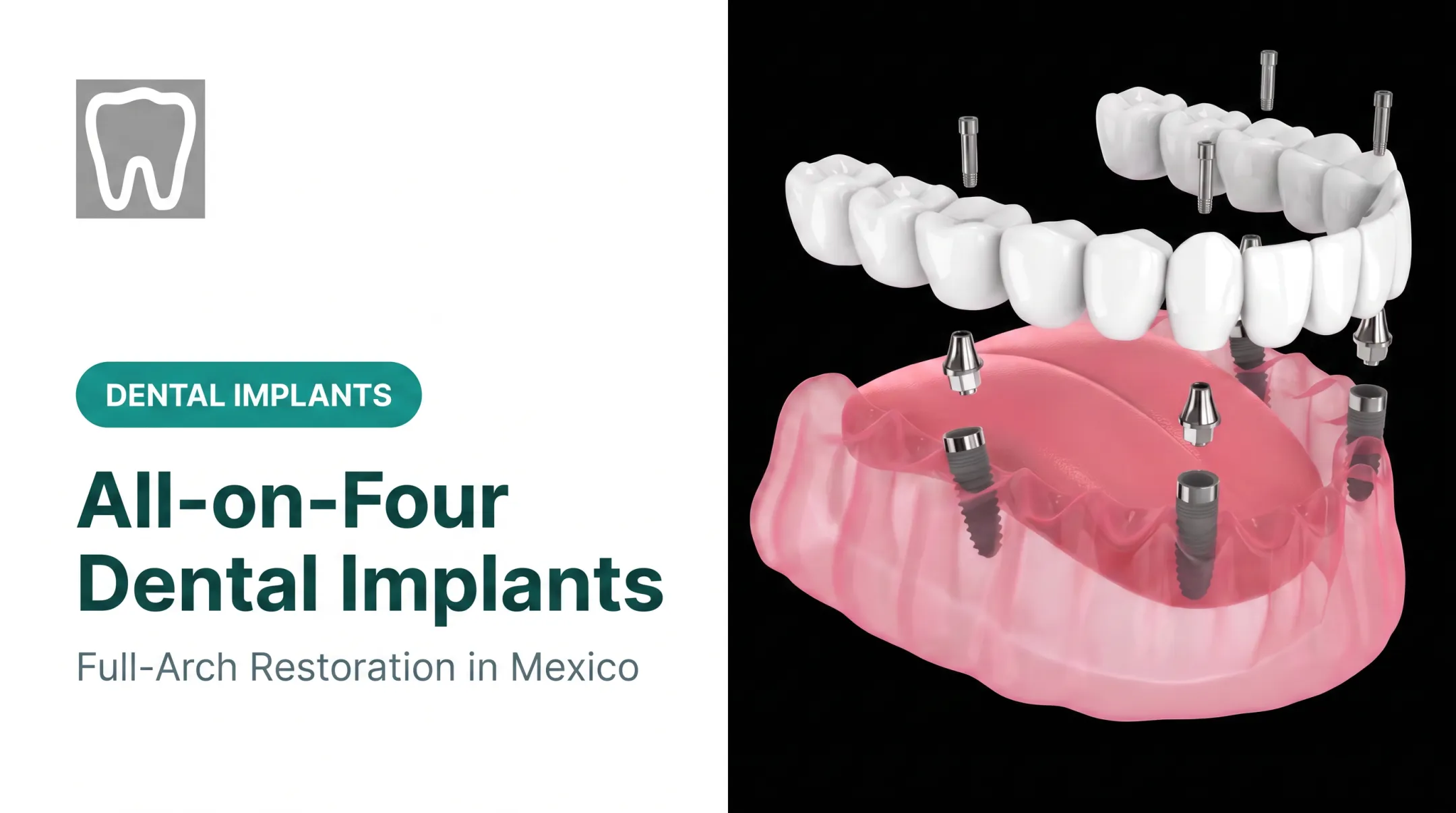
- All-on-4, All-on-6, and 3-ON-8™ protocols can work around limited bone or gum tissue
What Causes Receding Gums and Why It Matters for Implants
Gum recession rarely comes from one source. Common causes include:
- Periodontal disease — plaque and tartar buildup that inflames and separates gum from tooth
- Aggressive brushing — wearing away gum tissue over years
- Bruxism (teeth grinding) — placing excess pressure on gum and bone
- Genetics — thin gum tissue that recedes more easily
- Smoking — restricts blood flow to gum tissue
- Hormonal changes — particularly in women during pregnancy or menopause
A 2015 epidemiological study of 710 people found recession in 41% of participants, with plaque accumulation (44.1%) and faulty toothbrushing technique (42.7%) as the most commonly reported factors.
For implant planning, recession is often just the visible symptom of bone loss underneath. When periodontal disease or missing teeth erode the jawbone, gum tissue follows. Since implants need both stable bone and adequate soft-tissue coverage to integrate properly, this combination changes the treatment plan.
Insufficient tissue coverage around an implant raises the risk of peri-implantitis — a condition involving inflammation and progressive bone loss around the implant. A 2023 meta-analysis found that inadequate keratinized mucosa was linked to higher peri-implantitis prevalence.
A systematic review found implant-loss risk more than doubled in patients with a periodontitis history (HR 2.02) at 10-year follow-up. Risk rose to over six times higher with aggressive, rapidly progressive periodontitis. Clinicians evaluate and treat gum and bone health before placing implants for this reason.

Can You Still Get Dental Implants With Receding Gums?
In most cases, yes. Candidacy comes down to two questions: how much bone remains, and how healthy is the surrounding tissue?
How the Evaluation Works
A periodontist's assessment typically includes:
- 3D CBCT imaging — evaluates bone density, width, and nerve pathways to set implant length, width, and position
- Periodontal probing — measures pocket depth between gums and teeth to check for active disease
- Treatment planning — determines whether grafting or periodontal therapy needs to happen before implants

Mild recession may need nothing more than a hygiene correction and monitoring. Moderate-to-severe recession usually calls for grafting first.
Why a Periodontist, Not a General Dentist
Gum and bone anatomy is specialized surgical territory. Dr. José Moguel, a board-certified periodontist with over 38 years of clinical experience, uses 3D Cone Beam CT imaging to map bone and tissue conditions before recommending treatment. General dentists typically don't have this depth of training in periodontal surgery.
If active gum disease shows up during the exam, it must be controlled before implant placement. That often means deep cleaning under local anesthesia and pocket therapy, then a 2-4 week healing window before implant planning resumes.
Expect the timeline to stretch when preparatory work is required. Standard bone graft integration takes roughly 3-6 months; sinus-lift grafts can take 6-9 months to mature. Many patients complete treatment across two visits, spaced 3-6 months apart.
Treatment Options for Receding Gums Before Implants
Active infection and weak gum or bone support have to be fixed before an implant can hold. Care usually starts with periodontal control, then soft-tissue or bone rebuilding when needed.
Periodontal Therapy
Before any grafting or implant work, active gum disease has to be brought under control. This usually involves:
- Deep cleaning (scaling and root planing) under local anesthesia to remove plaque and tartar below the gumline
- Laser sanitization of periodontal pockets
- Local antibiotics or specialized mouthwash for infection control where needed
A 2-4 week healing phase typically follows before the gums are cleared for the next stage.
Gum Grafting
Two main techniques are used:
- Free gingival graft — tissue taken directly from the palate, often used to thicken thin gum tissue
- Connective tissue graft — tissue taken from under the palate’s surface layer to cover exposed roots
Recovery at the palatal donor site generally runs 2-4 weeks. Beyond covering exposed roots, grafting builds a healthier tissue base for the implant to integrate against, reducing long-term complication risk.
Bone Grafting and Sinus Lifts
Bone grafting rebuilds jaw density lost to periodontal disease or years without a tooth in place. Dr. Moguel’s clinic uses several graft material options:
- Biocompatible donor bone
- Synthetic (alloplastic) bone
- Bone harvested from another part of the patient’s own body
Grafts are protected with a collagen membrane while the body replaces them with living bone, a process that generally takes 3-6 months.
For upper-jaw cases lacking bone height, a sinus lift raises the sinus membrane and packs graft material beneath it. This is used when residual bone height in the back of the upper jaw is too limited for standard implant placement. Sinus-lift grafts generally need 6-9 months to mature into stable, load-bearing bone.

Implant Options Suited for Patients With Gum Recession
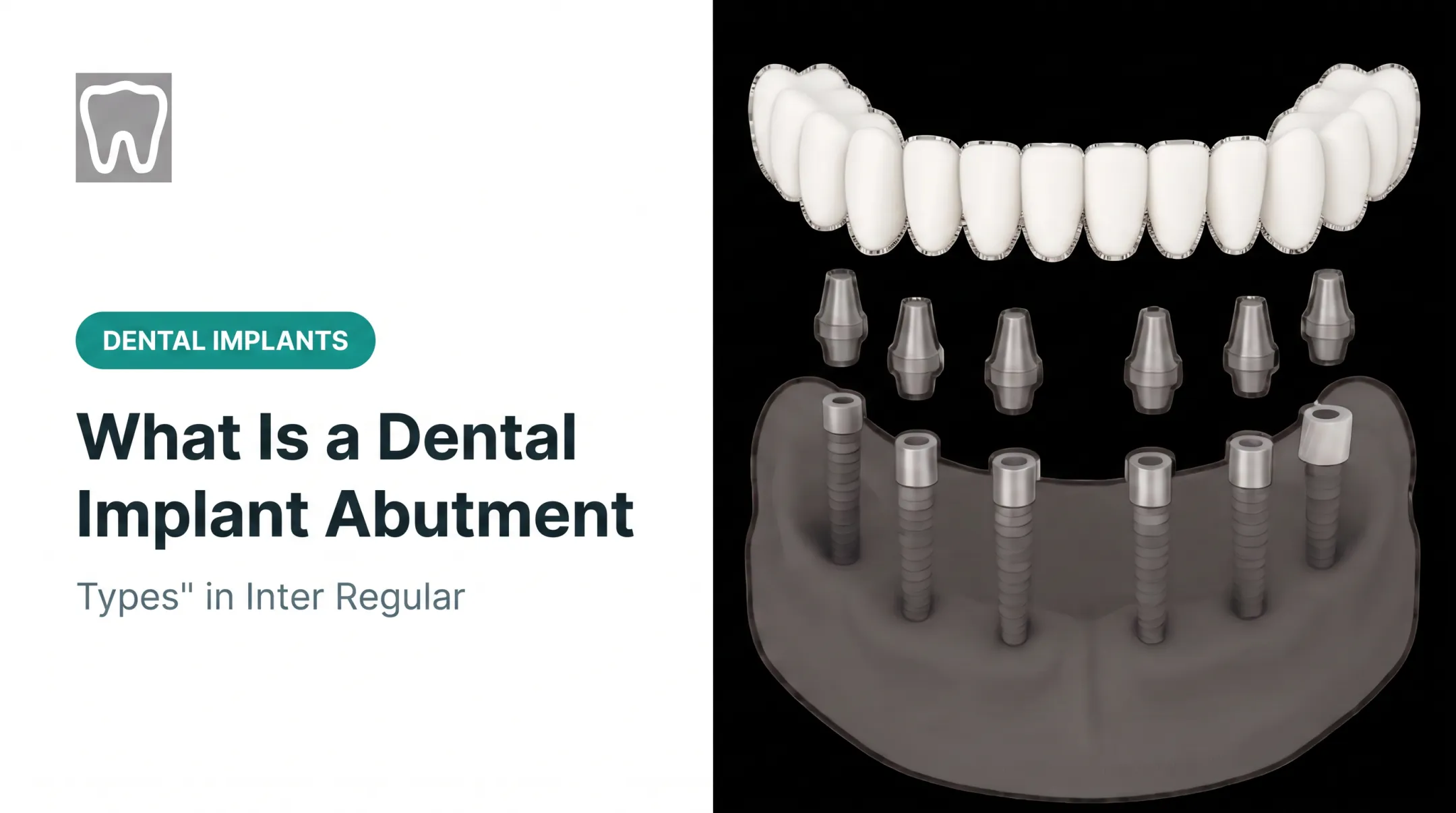
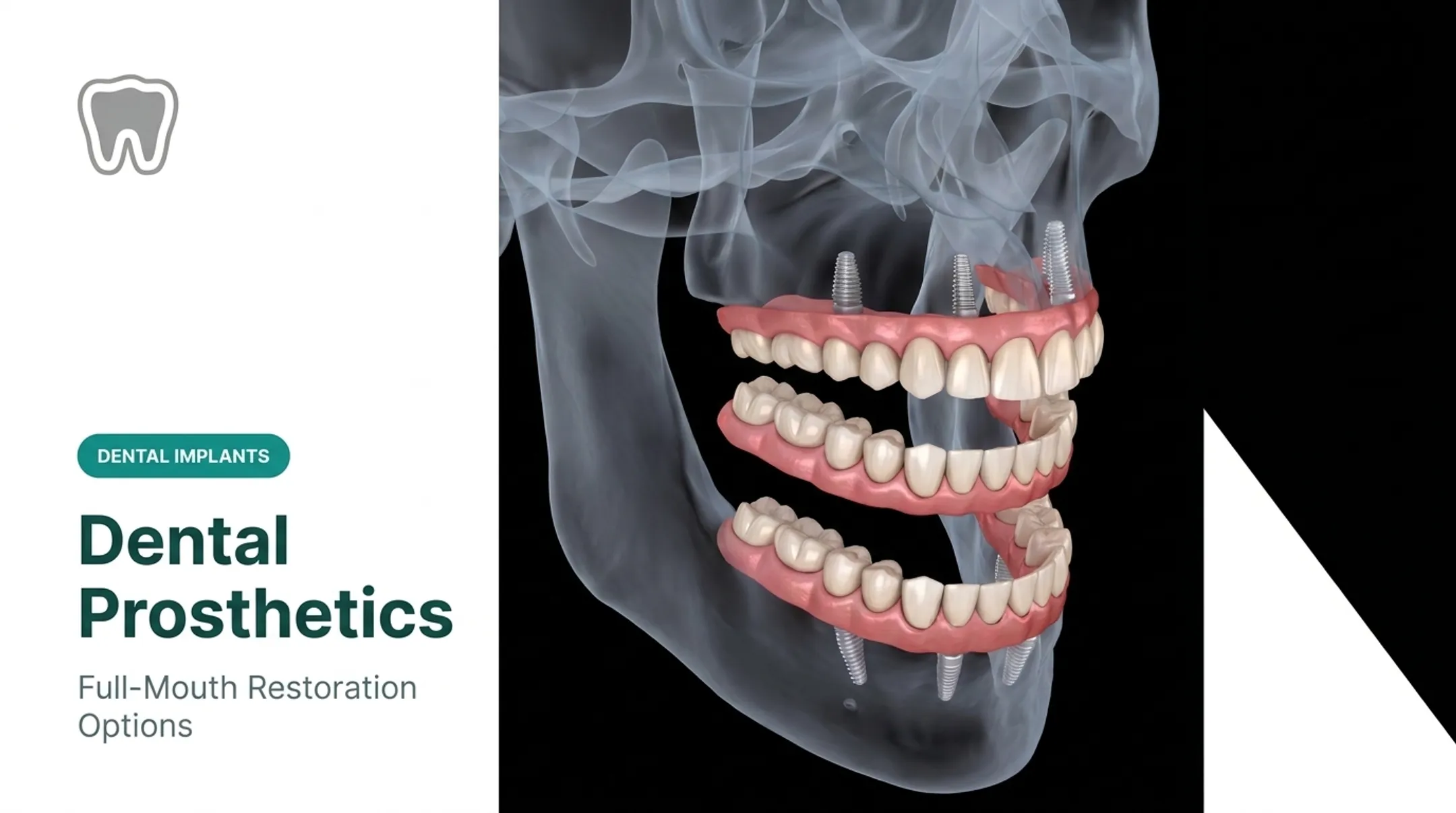
Not every case needs a full-arch solution. Options scale with the severity of bone and tissue loss. Single-tooth implants work well for isolated recession when nearby teeth and bone still offer solid support—no need to restore the full arch. For more extensive tooth loss, three full-arch protocols compare as follows:
| Protocol | Implants per arch | Bone requirement |
|---|---|---|
| All-on-4 | 4 | Low to moderate: angled posterior implants use denser front bone |
| All-on-6 | 6 | Moderate to high: may need localized grafting or sinus lift |
| 3-ON-8™ | 8 | Moderate to high: grafting optional depending on anatomy |
| All-on-4 and All-on-6 distribute chewing load across strategically placed implants, reducing dependence on compromised bone areas. A 2024 meta-analysis of over 20,000 implants found implant survival rates of 98.5% for four-implant arches versus 97.0% for six-implant arches. The difference was not statistically significant. | ||
| 3-ON-8™, developed by Dr. Moguel over 38+ years of clinical implant practice, places eight implants per arch supporting three independent zirconia bridges rather than one continuous bridge. That built-in redundancy matters: if one section needs repair, the other bridges keep working. | ||
| Clinics often pair these protocols with zirconia restorations or implant-supported dentures for strength and a natural look. FDA-approved systems such as Nobel Biocare, Straumann, and MegaGen are typical choices. |

Aftercare to Prevent Further Gum Recession
Long-term implant success depends heavily on what happens after surgery. Key habits include:
- Brushing gently with a soft-bristled toothbrush after meals and before bed
- Cleaning beneath fixed bridges with a water flosser or super floss
- Avoiding tobacco, a leading cause of early implant failure
- Attending regular professional cleanings and periodontal checkups
Regular supportive care is required, not optional. Research links it to significantly lower odds of peri-implant disease (OR 0.42), including peri-implantitis.
Dr. Moguel's clinic backs its implant hardware with a lifetime warranty, replacing a failed implant at no cost when patients keep up professional cleanings. Prosthetic components like crowns, bridges, and zirconia arches carry a separate five-year warranty.
That split is a useful reminder: the implant can be durable, but keeping your gums healthy is still on you.
Frequently Asked Questions
Can you still get dental implants with receding gums?
Yes, in most cases. Candidacy depends on remaining bone volume and gum tissue quality, evaluated through imaging and periodontal exam. Grafting beforehand is common but not always necessary.
When is it too late to fix a gum recession?
Severe bone loss or advanced, untreated periodontal disease can limit options significantly. A periodontist evaluation determines feasibility case by case. There's rarely a hard "too late" cutoff.
Does gum grafting hurt or require a long recovery?
Most patients report mild discomfort, manageable with standard aftercare. The palatal donor site typically heals within 2-4 weeks.
How much does treating gum recession before implants add to overall cost and timeline?
Bone grafting typically adds 3-6 months and runs from $500-$800; a sinus lift adds 6-9 months and runs from $600-$900. Care in Mexico can offset much of this added cost through significant savings on the overall procedure.
Can All-on-4 or 3-ON-8™ help patients with significant gum recession?
Yes. Both protocols use strategic implant placement — angled implants for All-on-4, eight distributed implants for 3-ON-8™ — to work with reduced bone and tissue rather than requiring extensive grafting first.
What happens if gum recession is left untreated before getting an implant?
Untreated recession raises the risk of implant instability, infection, and outright implant failure. Addressing active gum disease and tissue deficits first protects your investment.