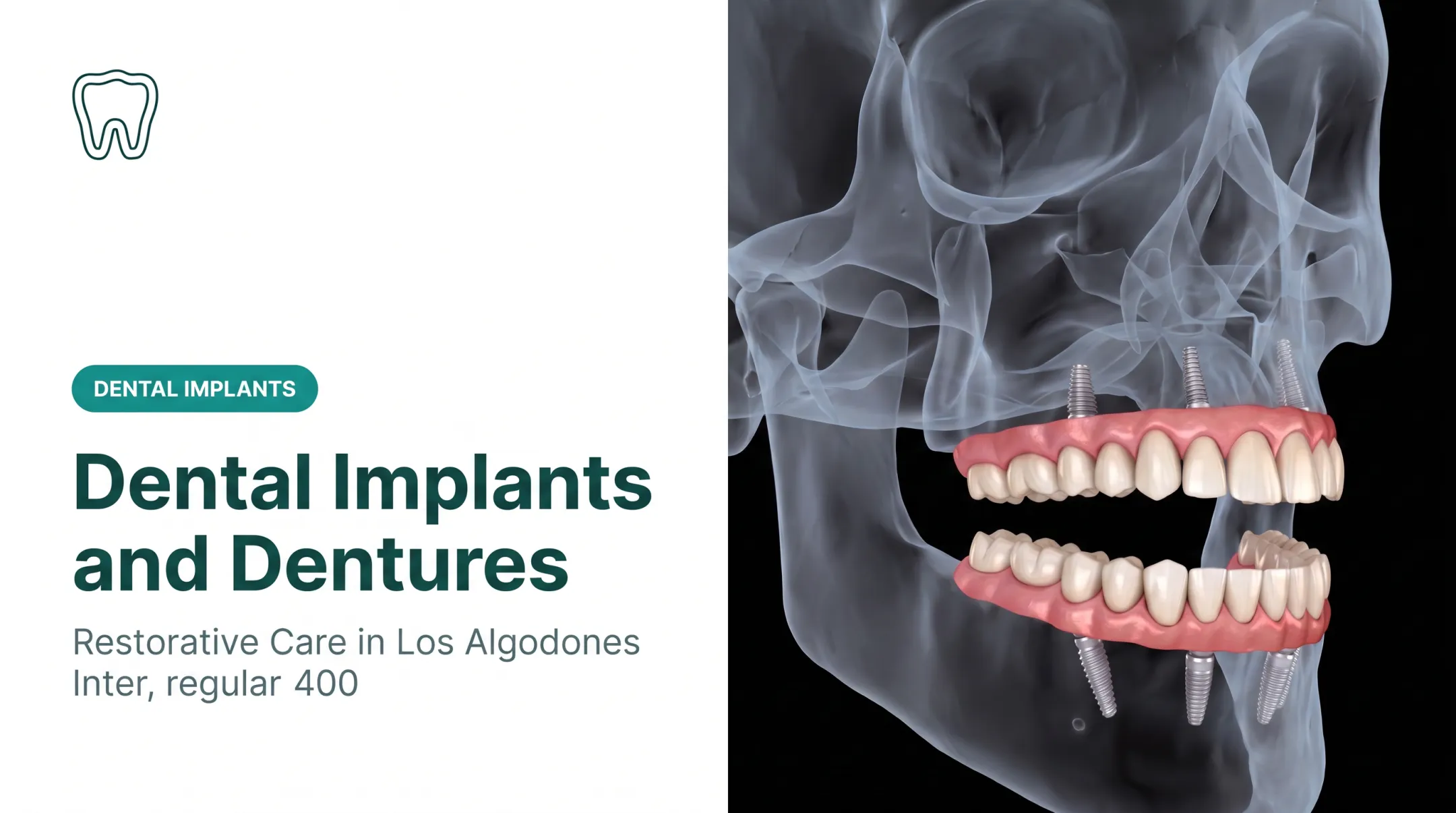

Molars carry the heaviest chewing load in your mouth. Research measuring occlusal force found the first upper molar handles more bite pressure than any other tooth in the arch, at over 14% of total strength in one clinical study (Ferrato et al., 2017). Lose one, and everything from chewing efficiency to jawbone density starts to shift.
This guide covers whether implants are actually worth it for molars, what pain and recovery really look like, how long they last, and why more US and Canadian patients are crossing the border to Los Algodones, Mexico for treatment that costs a fraction of US prices.
Key Takeaways
- Molars absorb the majority of your bite force, so replacing one preserves both chewing function and jawbone density
- Implant-supported single crowns show 89.4% survival at 10 years in pooled research data
- Post-op discomfort is typically mild, peaking around 24 hours and easing within days
- Patients can save 60-70% by choosing board-certified specialists in Los Algodones over US clinics
Why Molars Matter and What Happens If You Delay Replacement
The Grinding Workhorses of Your Mouth
Your first and second molars do most of the heavy lifting when you chew. They grind and pulverize food before it reaches your stomach. First molars, usually the first adult teeth to erupt, take on a disproportionate share of that load.
When one goes missing, the consequences ripple outward:
- Adjacent teeth drift into the empty space, throwing off your bite alignment
- Opposing teeth over-erupt since they no longer meet resistance
- Jawbone begins to shrink without the stimulation a tooth root provides
The Bone Loss Timeline
Bone loss after extraction happens faster than most patients expect. A systematic review found 29-63% horizontal bone loss and 11-22% vertical bone loss within just six months of losing a tooth (Tan et al., 2012).
That thinning jawbone is exactly why patients who wait years sometimes need bone grafting before an implant can even be placed.
Not every delayed case ends badly, though. One longitudinal study of untreated posterior gaps found fewer shifting problems than commonly assumed over nearly seven years of follow-up (Shugars et al., 2000).
Still, the same research noted over-eruption in 25% of unopposed upper molars, and tipping beyond 15 degrees in 44.3% of lower-jaw molars in comparison cases. Delay doesn't guarantee disaster, but it stacks the odds against you.

Are Dental Implants Worth It for Back Molars?
Short answer: yes, in most cases, especially when the missing tooth is a first molar carrying the heaviest bite load. Longer answer: it depends on which molar, your bone health, and what else is going on in your mouth.
Implants vs. Bridges vs. Partial Dentures
A systematic review comparing single implant crowns to short-span fixed bridges found similar failure rates between the two, but identified one clear implant advantage: healthy adjacent teeth don't need to be filed down to anchor a crown (Scheuber et al., 2012). Bridges require shaving down neighboring teeth. Implants don't touch them.
Partial dentures also spare adjacent teeth, but they rest on the gums and can shift under molar bite force. That movement often speeds bone loss in the empty socket.
When Replacement Becomes More Elective
If you're missing a third molar (wisdom tooth) or a second molar while your first molars remain intact, replacement is often optional. The bite-force distribution isn't as critical there.
What Determines Candidacy
Your dentist will look at:
- Bone density and volume — assessed through 3D imaging, not a simple X-ray
- Overall health — conditions like uncontrolled diabetes can affect healing
- Gum condition — active infection needs treatment first
Those checks matter even more for upper molars, where sinus proximity changes the plan. One study found sinus augmentation was needed in 54.2% of maxillary posterior implant cases it reviewed (Seong et al., 2012).
At Dr. José Moguel's clinic in Los Algodones, 3D Cone Beam CT scans map bone height, density, and sinus position before any decision is made. Sinus lifts are routine when the scan shows insufficient bone beneath the sinus floor.
One documented case: a patient named David lost two upper molars and had developed noticeable sinus-floor descent along with real difficulty chewing solid food. Dr. Moguel performed a sinus lift, then placed two Nobel Biocare titanium implants with custom crowns. After restoration, David could chew solid food again on the treated side—the kind of first-molar-level function that makes replacement worth the procedure when bite load is heavy.

What to Expect: Procedure, Pain, and Recovery Timeline
Does It Hurt?
Not during surgery. A single molar implant is placed under deep local anesthesia, and the placement itself typically takes 30-45 minutes. Anxious patients can opt for oral conscious sedation, a pill taken before the appointment that keeps you calm and drowsy while still responsive.
Afterward? A prospective two-center study measured pain at 2.01 out of 10 at 24 hours, the peak point. Scores declined steadily from there (Al-Khabbaz et al., 2007). That's roughly comparable to a tooth extraction. Another study found swelling resolved by day 4 and most patients regained normal oral function within 3 days (Kahn et al., 2021).
The Step-by-Step Process
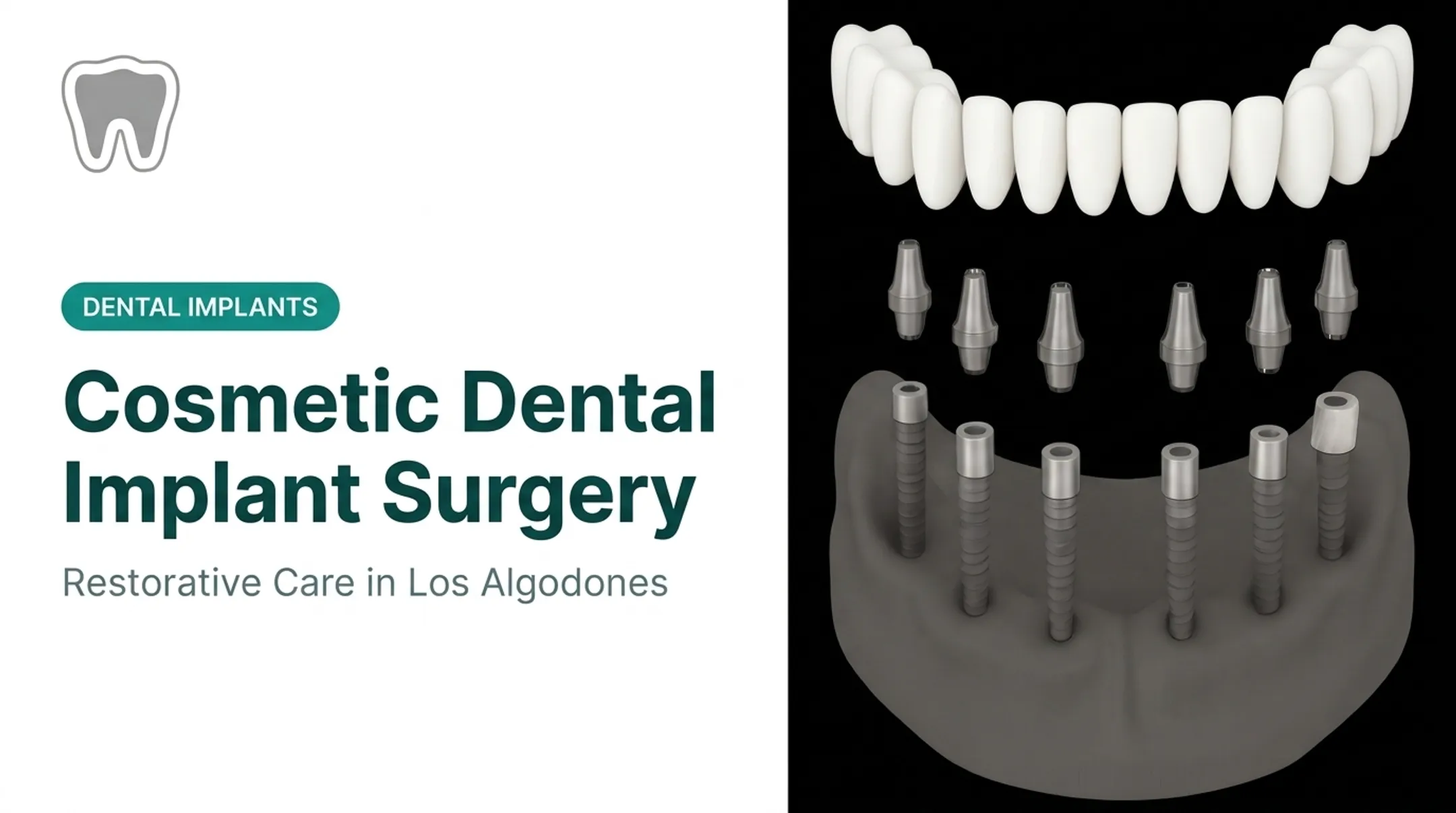
- Consultation and imaging — a 3D scan maps bone depth, width, and nerve pathways
- Implant placement surgery — the titanium post goes in under local anesthesia
- Osseointegration — the implant fuses with your jawbone, typically 3-4 months
- Abutment placement — attached once integration is confirmed, followed by about a week of gum healing
- Final crown fitting — a custom porcelain or zirconia crown is permanently secured
Total timeline: roughly 3-4 months from first consultation to finished tooth.

Recovery Basics
- Stick to a cold, soft diet for the first 48 hours — smoothies, blended soups, yogurt
- Don't brush directly over the surgical site for two days
- Ice for the first 24 hours, then switch to warm compresses if swelling continues
- Avoid smoking, alcohol, and straws during early healing
How Long Do They Actually Last?
Pooled data from systematic reviews shows implant-supported single crowns achieving 96.3% survival at 5 years and 89.4% at 10 years (Jung et al., 2012). With proper hygiene and regular checkups, many patients keep their implant for 15-25 years or longer.
Comparing Your Costs: US Prices vs. Los Algodones, Mexico
A single implant in the US, including the crown and any needed procedures, typically runs $3,100 to $5,800 according to the American Academy of Implant Dentistry (2024 report).
Across the border in Los Algodones, patients report savings of 60-70% compared to equivalent US treatment. At Dr. Moguel's clinic, single-tooth implants start from $1,500, covering the implant, abutment, and crown. Bone grafting, when needed, runs an additional $500-$800.

What that buys you at this clinic:
- Treatment from Dr. José Moguel, a board-certified periodontist with 38+ years of experience and 17,000+ implants placed
- 3D Cone Beam CT imaging, digital scanning, and an in-house CAD/CAM lab
- Premium FDA-approved materials from Nobel Biocare, Straumann, and MegaGen
- A lifetime warranty on implant hardware, plus a five-year warranty on crowns and prosthetics with routine cleanings
Getting There Is Simple
The clinic sits a short walk, about 3-5 minutes, from the Andrade, California border crossing. Most US patients fly into Yuma International Airport, roughly 15 minutes away, or drive from Phoenix or San Diego.
Bilingual coordinators help arrange hotels in Yuma or locally, plus shuttle service. Free, no-obligation consultations give you transparent pricing before you commit.
Molar Implants vs. Bridges vs. Dentures: Which Fits You?
How you replace a missing molar depends on jawbone health, the teeth next to the gap, and how permanent you want the fix to feel.
| Factor | Implant | Bridge | Partial Denture |
|---|---|---|---|
| Preserves jawbone | Yes | No | No |
| Affects neighboring teeth | Leaves them intact | Requires filing down | Uses clasps on nearby teeth |
| Long-term survival | ~89.4% at 10 years | ~89.2% at 10 years | Varies widely |
| Daily maintenance | Brush and floss like natural teeth | Needs special flossing tools | Removable; clean nightly |
Bridges show comparable survival rates to implants over 10 years (Pjetursson et al., 2007), but they require grinding down two healthy adjacent teeth. Removable partial dentures avoid that step, yet they don't stop bone loss and often feel less stable when chewing.
Implants remain the only option that preserves jawbone health long-term. You pay more upfront for a fix that protects your bite structure for decades.
Frequently Asked Questions
Are dental implants worth it for back molars?
Yes, especially for first molars that carry the most chewing load. Implants preserve jawbone density and avoid damaging healthy neighboring teeth. A specialist can confirm whether your bone health supports the procedure.
How painful is getting a molar dental implant?
The surgery itself is done under local anesthesia and is painless. Post-op soreness peaks around 24 hours and is typically manageable with standard pain relievers like ibuprofen.
How long do dental implants for molars last?
Research shows roughly 89.4% survival at 10 years. Many implants last 15–25+ years or longer with good oral hygiene and regular checkups.
Can you live without your back molar?
Yes, it's possible, but it's not ideal long-term. Missing molars can lead to chewing difficulty, shifting teeth, bite misalignment, and ongoing jawbone loss.
Is it cheaper to get dental implants in Mexico?
Yes, patients typically save 60-70% by choosing Los Algodones over US pricing, while still receiving treatment from board-certified specialists using premium implant brands.
What happens if I delay replacing a missing molar?
Delaying often causes jawbone thinning, teeth shifting into the gap, and opposing teeth drifting out of position. Treatment then becomes more complex and costly, and bone grafting may be required.