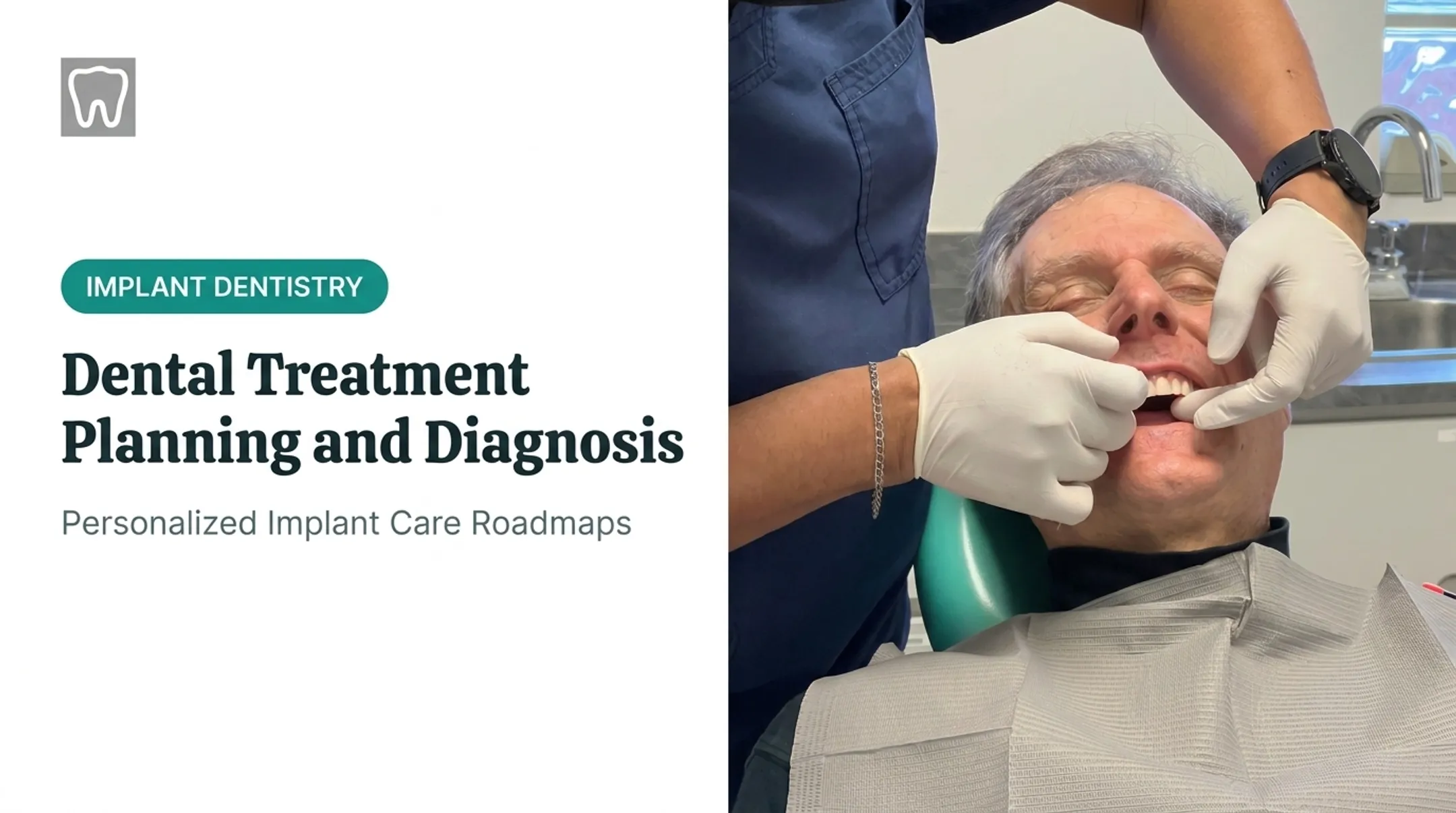

Here's the reassurance: a consultation is purely diagnostic. No drilling, no needles, no commitment. It's a conversation and an exam designed to answer your questions.
A growing number of US and Canadian patients are also looking south, to border towns like Los Algodones, Mexico, where implant pricing runs significantly lower than at home. This guide walks through what actually happens during a consultation, what to bring, how treatment plans and costs get built, and what cross-border patients should plan for logistically.
Key Takeaways
- You leave with a personalized treatment plan based on your health history, oral exam, and imaging
- No implants are placed during this visit; it's diagnostic and educational only
- Cross-border patients get free consultations, transparent pricing, and coordinated travel support
- Bring medical records, a medication list, and written questions to get the most from the visit
Before Your Consultation: How to Prepare
Walking in prepared saves time and gets you a more accurate plan. The American Dental Association emphasizes that a complete, accurate health history is essential before any diagnosis or treatment decision is made.
Gather these items beforehand:
- Prior dental X-rays, CT scans, or panoramic images
- A current list of medications and allergies
- Notes on relevant health conditions (diabetes, osteoporosis, bisphosphonate use)
- Previous dental records from your regular dentist
Conditions like uncontrolled diabetes or bone-affecting medications don't automatically disqualify you. Outcomes vary by individual case, which is why the exam and imaging matter more than assumptions.
Verify Credentials First
Before booking, check the clinic's certifications. For cross-border patients, this matters even more. Look for board certification and ADA or ADM affiliation.
At Dental Implants in Mexico, Dr. José Moguel is a board-certified periodontist with 38+ years of experience and more than 17,000 implants placed. He is credentialed through UNAM, the ADM, and the Consejo Mexicano de Periodoncia.
Consider a Remote Consultation First
If you're traveling from the US or Canada, you don't have to cross the border blind. Many clinics, including Dental Implants in Mexico, let you submit digital X-rays or CBCT scans through a secure form.
A bilingual coordinator typically follows up within 24 hours to schedule a free virtual review with the dentist. That gives you a preliminary cost estimate before you book travel.
What Happens During the Dental Implant Consultation
Meet and Greet
For cross-border patients, the process usually starts online rather than in a waiting room. You submit your contact details and treatment interest through a form; a bilingual coordinator (English and Spanish) reaches out to schedule your visit. That early contact helps you lock in timing, travel plans, and appointment details with clear English-language support from the start.
Medical and Dental History Review
The dentist reviews your health conditions, medications, smoking history, and goals—whether you're replacing one tooth or restoring a full arch. Factors that directly affect healing include:
- Bruxism (teeth grinding)
- Periodontal disease
- Tobacco use
- Uncontrolled diabetes
Comprehensive Oral Exam and Imaging
A 3D Cone Beam CT (CBCT) scan evaluates bone density, width, and depth in three dimensions—detail a flat 2D X-ray can't show. It also maps nerve pathways and sinus locations so implant placement stays clear of critical anatomy.

If the scan reveals bone loss, the dentist may recommend:
- Bone grafting to rebuild volume
- A sinus lift for upper-jaw cases
- Treating active gum disease first, since it's a major contraindication to implant placement
Discussion of Implant Options
Your candidacy for different protocols depends heavily on bone density findings:
- Single implants — for isolated missing teeth, sometimes requiring a sinus lift if bone has receded
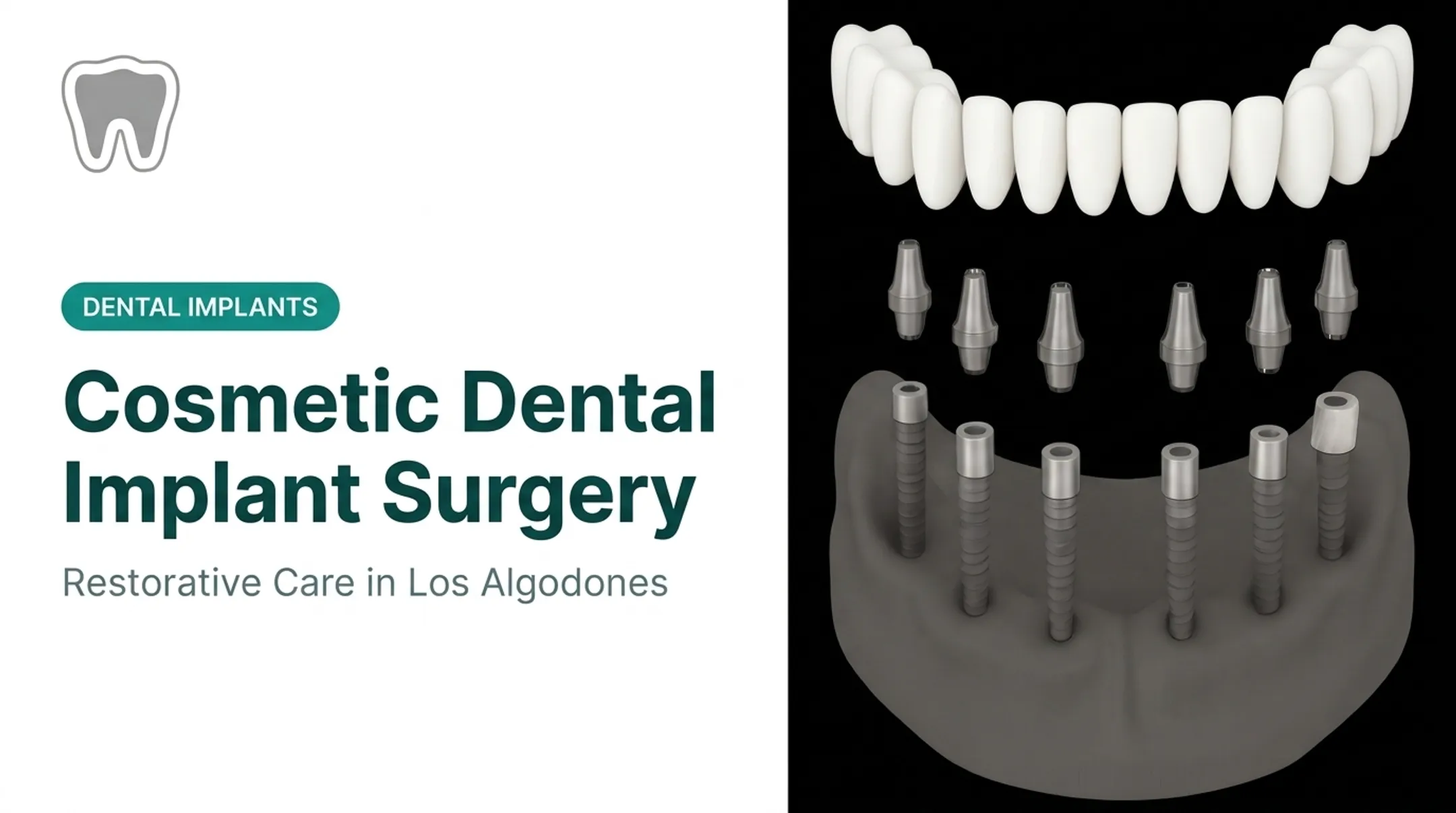
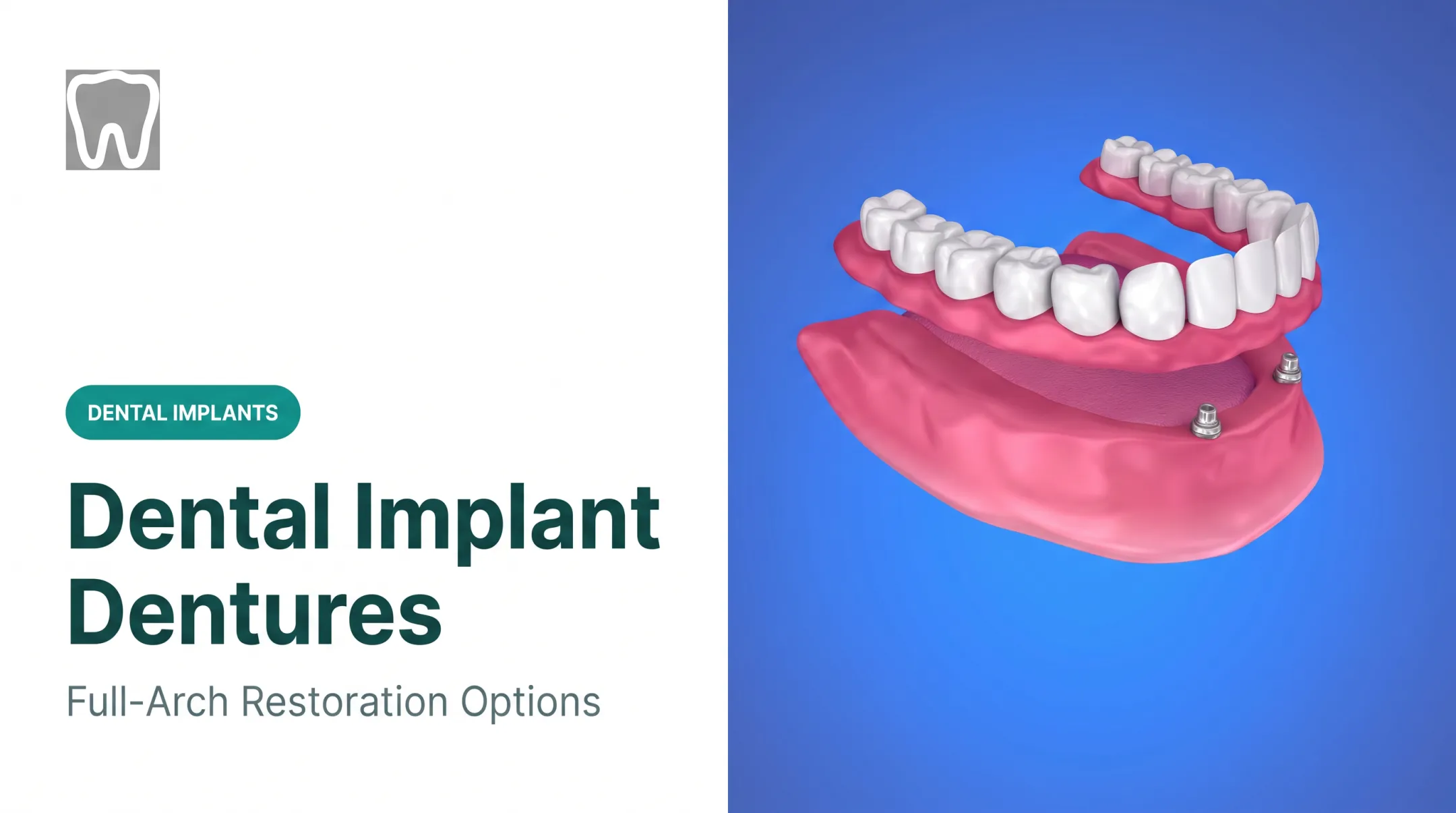
- All-on-4 — full-arch replacement using angled implants, often avoiding grafting even with lower bone density
- All-on-6 — requires more available bone, offering greater stability and load distribution
- 3-ON-8™ Protocol — a full-mouth option using eight implants and three independent bridges for maximum stability

Time for Questions
Use this part of the visit to pressure-test the plan before you commit. Ask how many implants the dentist has placed, which implant brands are used, what the warranty covers, and what recovery looks like for your specific case.
Treatment Planning, Costs, and Timeline
Once imaging and exam findings are in, the dentist builds a customized plan. It should spell out how many implants you need, which materials fit your case, whether bone grafting or a sinus lift is required, and a realistic timeline for surgery and final restorations.
What Drives the Cost
Reputable clinics quote implant brands like Nobel Biocare, Straumann, and MegaGen, all FDA-approved systems backed by clinical research. Pricing typically starts from a baseline and adjusts based on complexity:
| Treatment | Starting Price |
|---|---|
| Single-tooth implant | From $1,500 |
| All-on-4 | From $6,000 |
| All-on-6 | From $8,000 |
| 3-ON-8™ Protocol | From $15,000 |
Additional procedures affect the total. Bone grafting typically runs $400–$800, and a sinus lift $600–$900.
For context, one documented case with severe bone resorption, bilateral sinus lifts, bone regeneration, and six implants took seven months and cost $14,200—showing how complexity changes the final total.
By comparison, US pricing for equivalent procedures often runs about 60–70% higher, which is why many patients choose implant care in Mexico. A transparent quote should break down implant, imaging, crown, and any grafting fees separately so nothing surprises you later.

Insurance Documentation
Clinics serving US and Canadian patients often can't bill insurance directly, but they can supply what you need to file your own claim:
- Itemized receipts and clinical notes in English
- Standard ADA CDT procedure codes (like D6010 for implant placement)
- Pre- and post-operative X-rays
- Documentation to support a formal appeal if a claim is initially denied
Same-Day Options and Timeline
Some patients qualify for same-day, fixed full-arch treatment and leave with a temporary bridge the day of surgery. That still does not skip healing time.
Patients typically return 3–6 months later for the permanent zirconia or porcelain restoration. Most treatment plans still involve two trips: surgery first, permanent teeth later.
Recovery in between means soft foods and gradual healing. Your consultation should confirm visit timing, provisional vs. final teeth, and travel windows before you book.
Special Considerations for Cross-Border Patients
Traveling for treatment adds a logistics layer most local patients never think about. Your consultation should cover this directly.
Expect to discuss:
- Travel dates and how many trips your treatment plan requires
- Appointment scheduling around border crossings
- Airport options (Yuma International is about 15 minutes from Los Algodones; Phoenix and San Diego need longer drives)
- Lodging support, including hotel recommendations in Yuma or nearby

Clinics experienced with cross-border patients often coordinate shuttle service and hotel bookings, which reduces the stress of navigating an unfamiliar border town.
Before you commit, confirm two aftercare protections:
- Lifetime warranty terms on implant hardware (not just the crown)
- Follow-up care options once you return home
Questions to Ask at Your Consultation
Don't leave without clarity on these:
- Certifications and volume: What's the dentist's board certification, and how many implants have they placed?
- Brand and materials: Which implant brand and crown material will be used?
- Complications: What happens if the implant fails or the bite feels off, and what warranty applies?
- Full cost breakdown: Does the quote include imaging, the implant, the crown, and any grafting?
- Number of visits: How many trips will completing treatment actually require?
Write these down beforehand. It's easy to forget half of them once you're in the chair.
Frequently Asked Questions
How much do full-mouth dental implants cost?
Costs depend on implant count, materials, and whether grafting is needed. Many patients compare US and Mexico pricing before the consultation so they know realistic ranges for their case.
How long is the recovery after a dental implant?
Initial soreness typically fades within a few days, while full bone integration can take several months. Your dentist confirms the timeline at the consultation based on bone density and health history.
Is the initial dental implant consultation free?
Yes. Many clinics offer free, no-obligation consultations. Confirm what is included—especially imaging—before you book.
What should I bring to my dental implant consultation?
Bring prior dental records, a current medication and allergy list, and any existing X-rays or CT scans. This helps the dentist build a more accurate treatment plan.
Will I need bone grafting before getting implants?
It depends on your jawbone density, which is measured with imaging during the exam. That finding drives whether grafting is part of your plan.
How many appointments are needed to complete dental implant treatment?
Most plans use two visits: implant surgery first, then the permanent restoration months later. Same-day or fixed-arch options can cut how many separate procedures you need in that window.