
Neighboring teeth shift. Your bite changes. Your jawbone starts to shrink. Research shows measurable bone loss can begin within months of an extraction, and the longer you wait, the more it can cost you—both in dollars and treatment options.
This guide breaks down the three main ways to replace an extracted tooth: implants, bridges, and dentures. We'll cover how they differ, what they cost, and how to pick the right one for your situation.
TL;DR
- Leaving an extraction site empty leads to shifting teeth, bone loss, and bite problems
- Implants, bridges, and dentures are the three main replacement paths, each with different costs and timelines
- Implants are the most durable and the only option that preserves jawbone density
- The right choice depends on your bone health, budget, and how fast you need a fix
- Acting sooner keeps more options open and costs less overall
What Happens If You Don't Replace an Extracted Tooth?
Once a tooth is gone, the space doesn't just sit there quietly. Nearby teeth start drifting into the gap, and the opposing tooth above or below can over-erupt into the empty space. This throws off your bite alignment over time.
A 2023 retrospective study of molar-loss cases found that neighboring teeth migrated at rates of up to 48.5 micrometers per month, with the vast majority of nearby teeth drifting toward the empty socket. That may sound small, but it adds up fast.
The bigger issue is what happens underneath the gum. Without a tooth root stimulating the jawbone, the bone begins to resorb. A 2012 systematic review found horizontal bone loss of up to 3.79mm within just six months after extraction, with reduction happening fastest in the first few months.

Other effects include:
- Harder-to-clean gaps that trap plaque and food debris
- Increased risk of gum disease around the extraction site
- Uneven chewing pressure on remaining teeth
- Gradual changes to facial structure as bone volume decreases
Why Timing Matters for Replacement
There's no hard deadline for replacing a tooth. You can wait years and still get an implant or bridge. But waiting has consequences worth understanding.
Bone loss and tooth movement don't stop just because you haven't decided yet. The longer the gap sits, the more likely you'll need additional procedures (most commonly bone grafting) before an implant can be placed safely.
Here's the practical tradeoff:
- Replace within a few months — Often requires less prep work, sometimes allowing implant placement with minimal or no grafting
- Wait a year or more — Bone density may have dropped enough that grafting becomes necessary, adding 3-6 months of healing before implant surgery
- Wait several years — Implants are still possible, but a 3D scan will likely reveal thinning that needs to be addressed first
Acting sooner preserves flexibility. Fewer complications generally mean lower overall cost and a shorter path to a finished smile.

Tooth Replacement Options After Extraction
There's no universal "best" option here. The right fit depends on your bone volume, budget, timeline, and where in your mouth the tooth was extracted. That said, three options cover nearly every extraction scenario, from a single missing tooth to full-arch loss.
Dental Implants
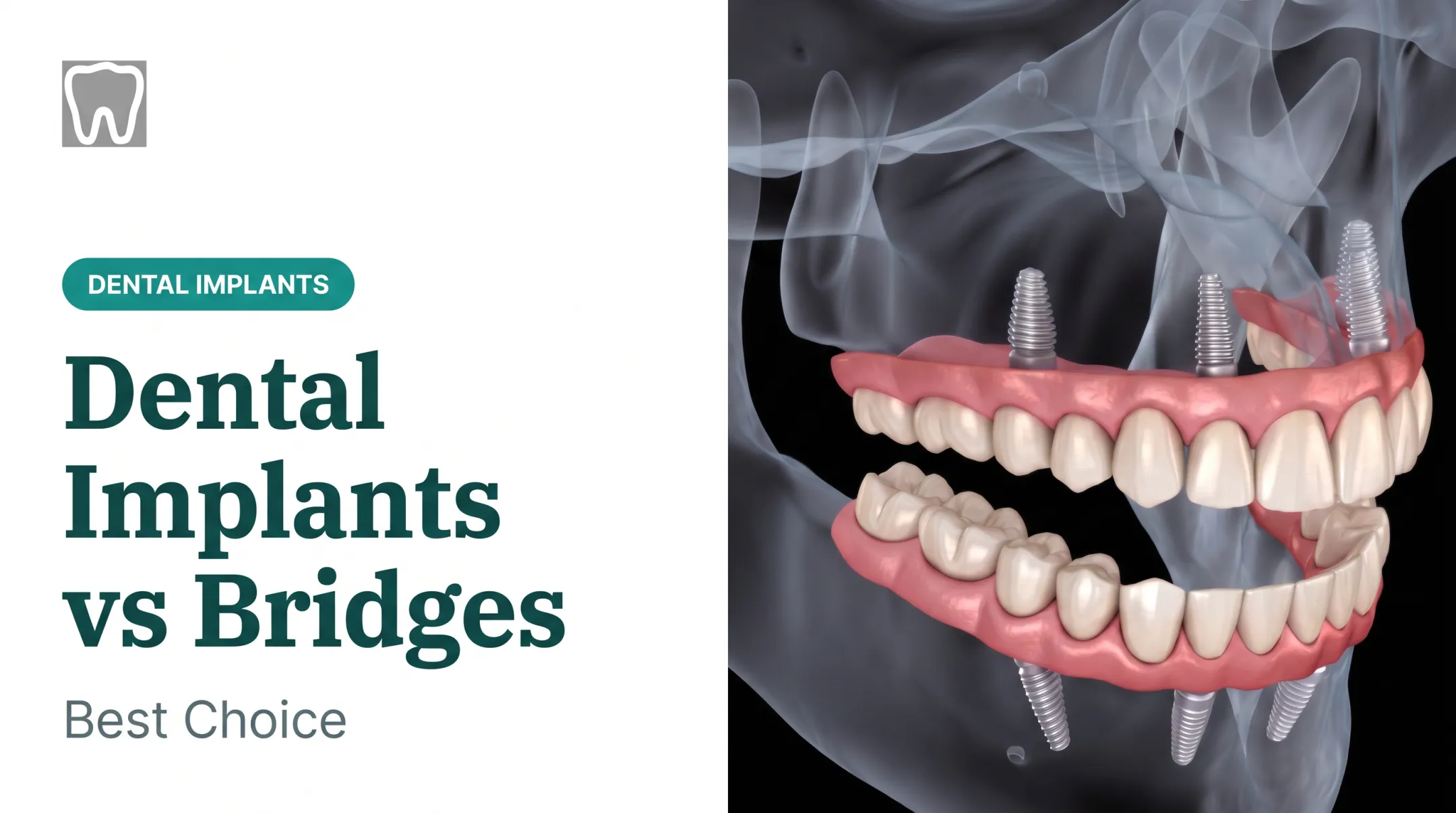
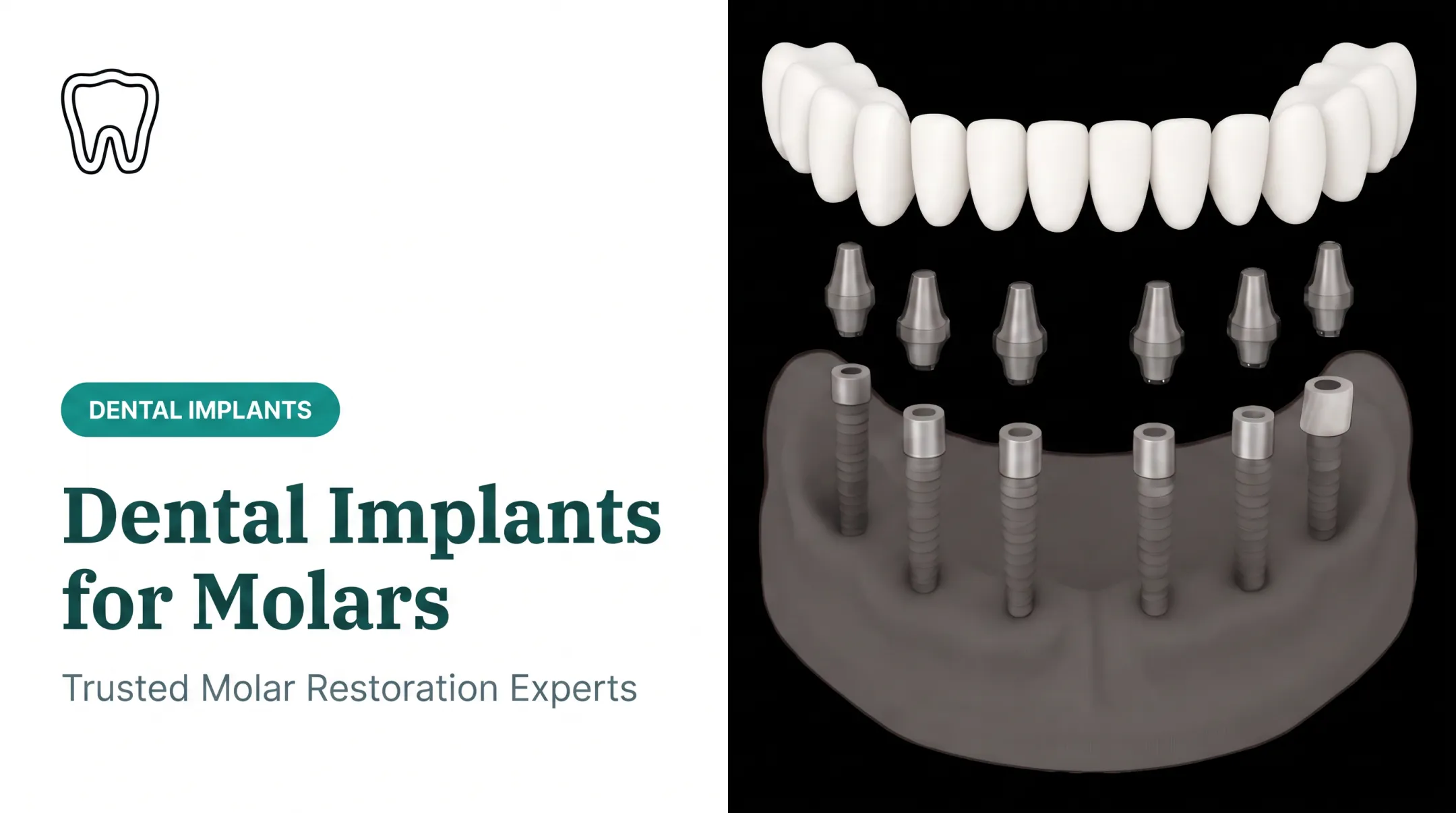
An implant is a titanium (or sometimes zirconia) post placed directly into the jawbone, acting as an artificial root. A custom crown is attached on top once the post has healed into place.
What makes implants different: they don't rely on adjacent teeth for support, and they're the only option that actively stimulates the jawbone rather than letting it resorb.
A systematic review of contemporary implant systems reported a 96.4% implant survival rate at 10 years, making implants a strong long-term bet when bone volume allows it.
Best suited for: patients with adequate bone who want a permanent, natural-feeling solution and don't want to touch their healthy adjacent teeth.
Strengths:
- Long-term durability with proper care
- Preserves bone density by stimulating the jaw
- Blends naturally with surrounding teeth
- No alteration needed to neighboring teeth
Limitations:
- Higher upfront cost than a bridge or denture
- Full process (including osseointegration) typically takes 3-4 months
- May require bone grafting if the site has already resorbed
At Dental Implants in Mexico, our periodontist-led team uses 3D CBCT imaging to plan cases precisely, even when bone loss has already started.
A single-tooth implant here runs roughly $750-$1,500, compared to $3,000-$4,500 in the US. If a bone graft is needed first, that typically adds $400-$800.

Dental Bridges
A bridge fills the gap with an artificial tooth held in place by crowns fitted onto the teeth on either side. Unlike an implant, it relies on those neighboring teeth for support rather than the jawbone itself, and there's no surgery involved.
Best suited for: patients with healthy adjacent teeth who want a faster fix without oral surgery.
Strengths:
- Faster to complete than an implant
- Generally lower upfront cost
- No surgical healing period
Limitations:
- Requires grinding down healthy adjacent teeth to fit the crowns
- Doesn't stop jawbone resorption underneath the gap
- Needs eventual replacement—commonly estimated around a decade of service life
The tradeoff is straightforward: you get speed and lower cost now, but you're altering healthy teeth and accepting that bone loss continues underneath the bridge.
Dentures (Partial and Full)
Dentures are removable (or sometimes fixed) prosthetics that replace one or several teeth, or an entire arch. They're the only non-surgical option of the three, and typically the most affordable upfront.
Best suited for: patients missing multiple teeth, working with a tighter budget, or needing a quicker turnaround.
Strengths:
- Quick to fabricate
- Restores appearance and basic chewing function
- No surgery required
Limitations:
- Doesn't stop bone loss underneath
- May need adhesives or periodic relining as fit changes
- Can feel less stable than fixed options
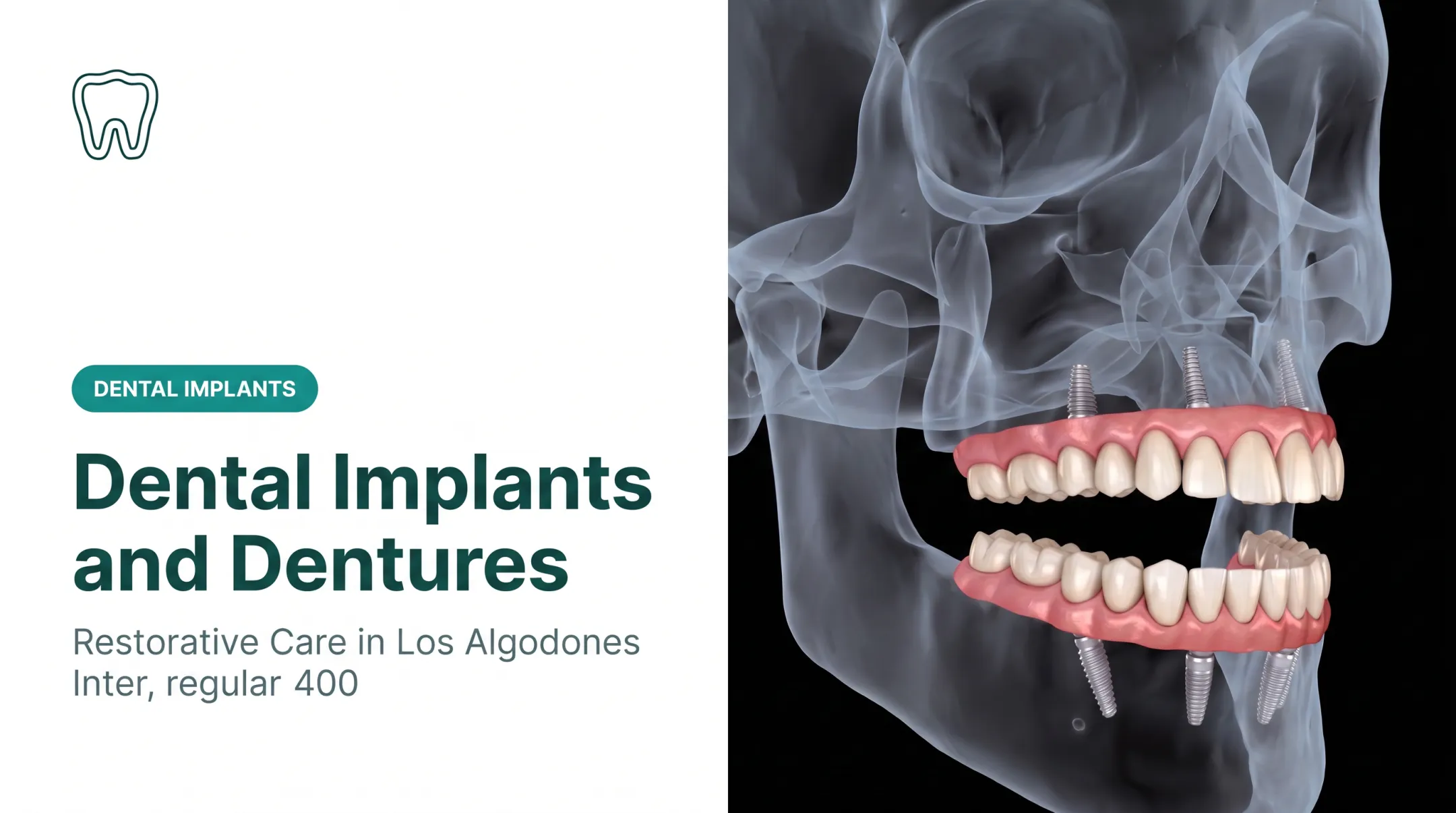
A 2025 cohort study comparing denture types found implant-supported overdentures scored notably higher on stability (9.2 vs. 5.8) and chewing comfort than conventional dentures.
If budget allows, anchoring a denture with 2-4 implants can close much of that stability gap. That option is priced around $3,500-$5,500 here, versus $10,000-$14,000 in the US.

How to Choose the Right Replacement Option
Your best replacement depends on your mouth, timeline, and budget—not on which option is most popular. Weigh these factors:
- Location of the tooth — A visible front tooth prioritizes appearance; a back molar prioritizes chewing strength
- Bone density and time since extraction — Longer gaps often mean more prep work is needed
- Budget — A staged approach, like a temporary denture now and an implant later, can work well
- Urgency — How quickly you need a functioning tooth for eating, speaking, or appearance
- Long-term goals — Durability and low maintenance versus lower upfront spend
- Adjacent tooth health — Bridges only make sense if the neighboring teeth can support crowns
What to Check Before Finalizing Your Decision
Before you commit, double-check these points:
- Don't assume pricier means better. If a bridge or denture genuinely meets your needs, an implant isn't automatically the smarter buy.
- Pay attention to your bone density findings. They directly affect whether an implant is feasible without grafting first.
- Factor in long-term costs, not just the sticker price. A bridge needing replacement in a decade may cost more over time than an implant that lasts decades.
- Get a second opinion or a free consultation. Compare treatment plans side by side before signing anything.
Conclusion
Leaving an extraction site unaddressed sets off a chain reaction: teeth shift, bone resorbs, and your bite gradually changes. None of that reverses on its own.
Implants, bridges, and dentures each solve the problem differently. The better fit depends on your budget, timeline, and priorities—not a single “best” option for every mouth.
If you're not sure where to start, consult a board-certified periodontist who can review your bone density and build a personalized plan. Dental Implants in Mexico offers free, no-obligation consultations to help you compare those options before you commit.
Frequently Asked Questions
How long after getting a tooth pulled can you replace it?
It depends on healing and bone volume. Bridges and dentures can often be planned within weeks, while implants typically need a few months for the socket to heal, plus extra time if bone grafting is required.
What happens if you don't replace a tooth after extraction?
Neighboring teeth shift, opposing teeth over-erupt, and the jawbone starts to resorb. Over time, this affects chewing function and increases the risk of gum problems around the gap.
What is the best replacement for an extracted tooth?
Dental implants are the most durable, bone-preserving option. The best choice for you still depends on bone health, budget, and which tooth is missing.
Can I get an implant years after extraction?
Yes. Implants remain possible years later, though a bone graft may be needed first if significant bone loss has occurred at the site.
Is a bridge or denture cheaper than an implant?
Bridges and dentures typically cost less upfront, but they may need replacement sooner and don't stop bone loss—which can reduce their long-term value.
How much can I save by getting dental implants in Mexico?
Patients traveling to experienced clinics in Los Algodones can often save 60-70% compared to US pricing while still receiving care from board-certified specialists.