
The short answer is yes. Removal and replacement happen, though far less often than successful, trouble-free integration. Dr. José Moguel, a board-certified periodontist with over 38 years of experience and more than 17,000 implants placed, fields these questions regularly from patients across the US and Canada considering treatment in Los Algodones.
This guide walks through why implants sometimes need to come out, how the process actually works, what replacement looks like, and what it might cost.
Key Takeaways
- Implant removal is uncommon and only performed when medically necessary
- Common triggers include peri-implantitis, failed osseointegration, mechanical damage, and bone loss
- Most removed implants can be replaced after healing and, if needed, bone grafting
- Choosing an experienced, board-certified specialist lowers your failure risk
Can Dental Implants Be Removed? Understanding the Basics
Once placed, a titanium implant fuses to your jawbone through a biological process called osseointegration. This is what makes implants so stable, and it's also why removal is more involved than the original placement surgery.
Removal is genuinely rare. A 2019 systematic review found 96.4% implant-level survival at 10 years, and a 2016 university study reported 5- and 10-year survival rates of 92% and 87% in native bone. Most implants simply do their job for decades.
Not every “removal” means the same procedure:
- Crown or abutment removal — the visible tooth-shaped part or connector piece can often be unscrewed or replaced without touching the implant fixture itself
- Full implant removal — the titanium post embedded in bone requires a more involved surgical or reverse-torque approach
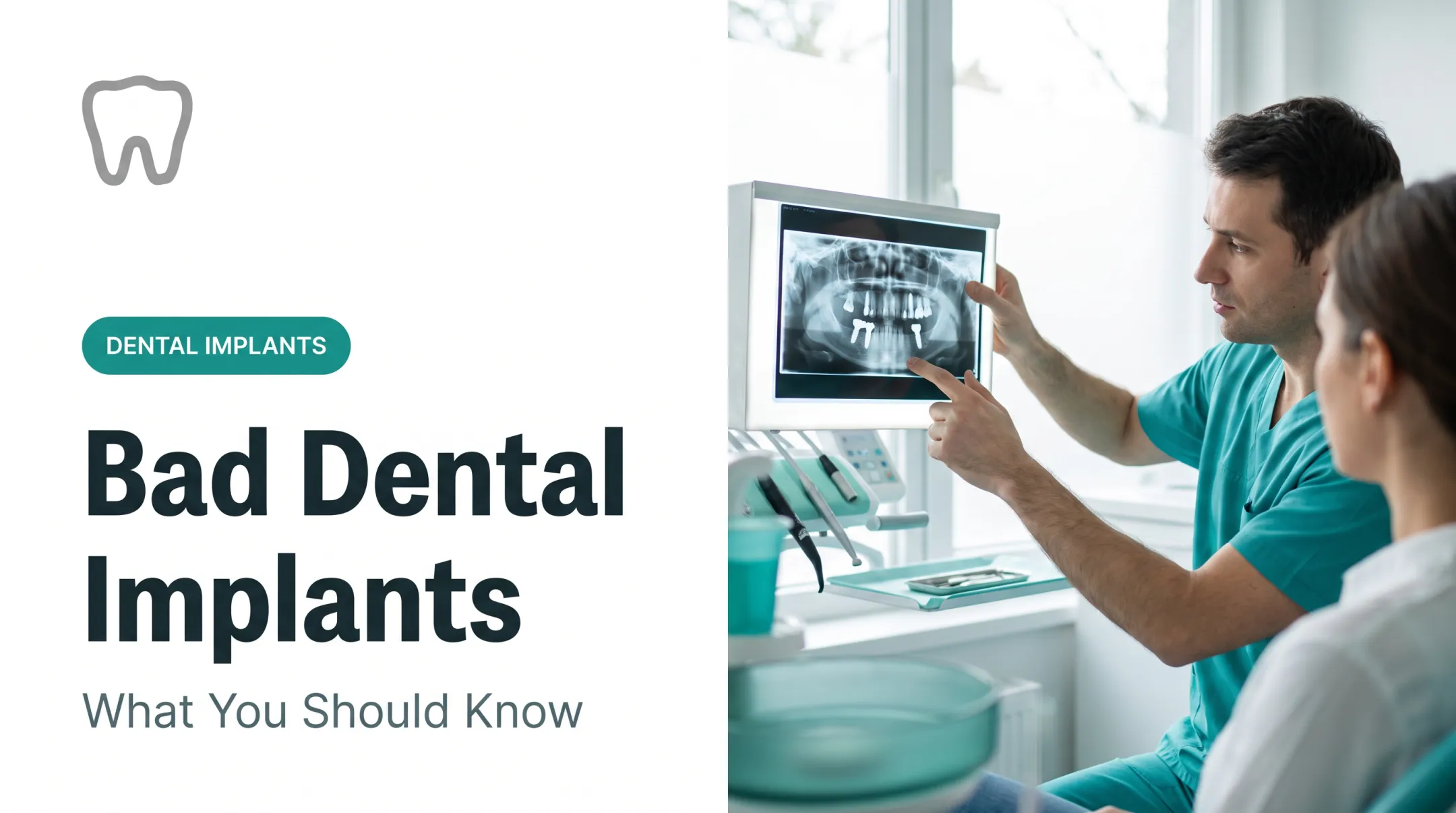
Patients should not self-diagnose implant problems. Any removal decision needs proper imaging—traditional X-rays or 3D CT scans—plus a hands-on evaluation from a specialist.
Top Reasons Dental Implants Need to Be Removed
Peri-implantitis is the leading cause. This is an infection and inflammation around the implant that progressively eats away at supporting bone. A 2025 Journal of Periodontology meta-analysis found a pooled prevalence of 21% among implant patients. Left untreated, it can loosen an otherwise healthy implant.
Other common causes:
- Failed osseointegration — early failure within the first year, often tied to infection, poor bone density, or (rarely) titanium sensitivity
- Late implant failure — mechanical loosening from bruxism, excessive biting force, or gradual bone loss years after placement
- Fractured implant post or damaged crown — sometimes only the broken component needs removal, not the whole fixture
- Insufficient bone density — conditions like osteoporosis or uncontrolled diabetes can compromise long-term stability
A 2020 study of over 9,000 implants found the overall survival rate held at 96.13%, with early failures making up the vast majority of cases.
Material choice and imaging matter as well. Dr. Moguel's clinic uses FDA-approved systems from Nobel Biocare, Straumann, and MegaGen, built with medical-grade titanium rather than generic alternatives. Every patient receives 3D CBCT planning before placement, because 2D X-rays cannot show bone width or nerve pathways accurately. That combination reduces failure risk from the outset.

How Are Dental Implants Removed? The Process Explained
The removal technique depends on how firmly the implant has integrated.
- Reverse-torque technique — For implants that aren't fully fused, or where integration has already broken down, a clinician can often unscrew the fixture with a counter-torque instrument. A 2024 literature review found this method succeeds in 87.7% of cases.
- Surgical removal — When the implant is fully integrated, a small section of surrounding bone is removed with a trough bur (or occasionally piezosurgery or a trephine drill) to free the fixture.
Will it hurt? Local anesthesia keeps the procedure itself comfortable. Some clinics also offer oral or IV conscious sedation for extra comfort.
Mild soreness afterward is normal and manageable with standard pain relief, similar to what you'd expect after an extraction.
After removal, healing before replacement typically takes weeks to a few months, depending on whether bone grafting is needed and how much of the socket was disturbed.

Can a Removed Implant Be Replaced?
Yes—in most cases a removed implant can be replaced once the site has healed. Next steps depend on how much bone remains.
If bone loss was significant, you may need:
- Bone grafting: Rebuilds socket volume; healing usually takes 3-6 months before a new implant
- Sinus lift: Used in upper-jaw cases where the sinus limits available bone
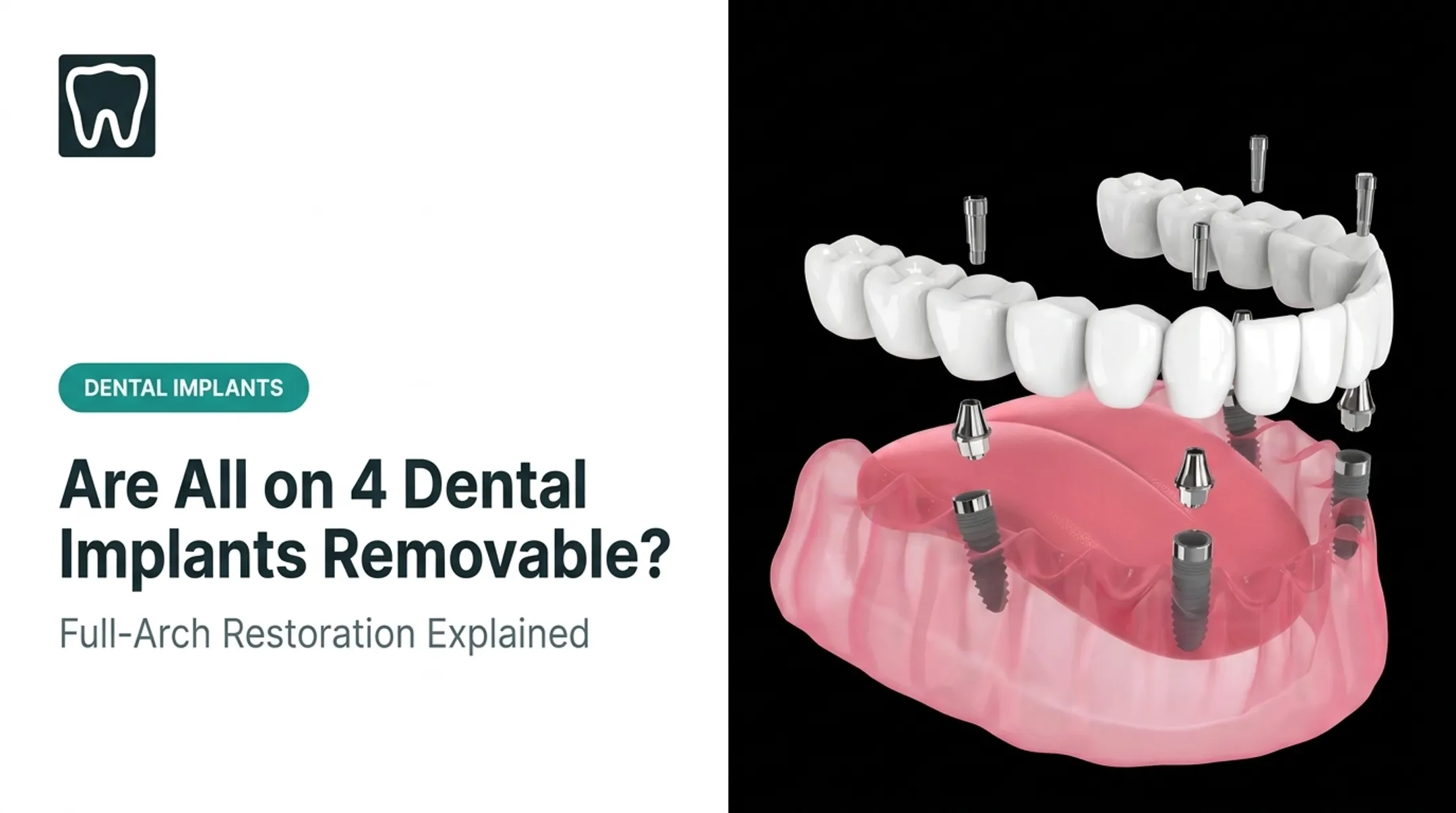
If you've lost multiple teeth or need broader reconstruction, full-arch protocols are often a better fit than single replacements:
| Protocol | Best suited for |
|---|---|
| All-on-4 | Low-to-moderate bone density; often avoids grafting |
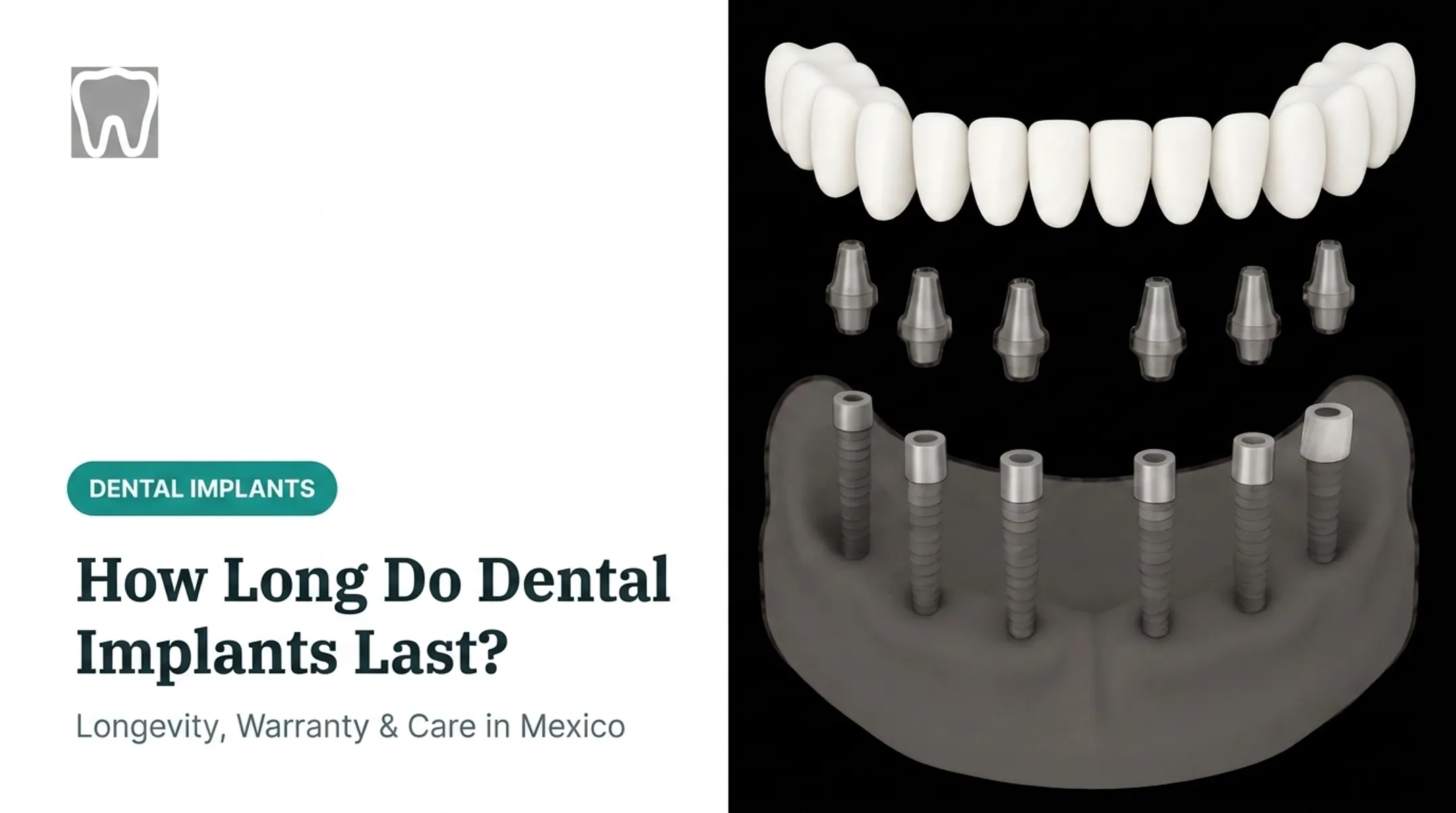
| All-on-6 | Moderate bone availability; more distributed bite force |
| 3-ON-8™ | Adequate bone width for eight implants, or willing to graft first |
The 3-ON-8™ protocol, developed by Dr. Moguel, uses eight implants supporting three independent bridges. That redundancy means if one section needs attention later, the rest of the arch stays untouched.

Not everyone wants another implant right away. Bridges and removable dentures remain reasonable alternatives if you're not ready for further surgery.
What Does It Cost to Remove and Replace a Dental Implant?
Removal costs vary widely based on complexity, whether grafting is needed, and sedation choices. In the US, bone grafting alone commonly runs $549 to $5,148 depending on the extent of reconstruction, according to CareCredit's bone grafting cost guide.
Full removal-and-replacement costs stack on top of that. There is no single reliable national benchmark—pricing is case-by-case.
Cross-border care can lower the total significantly. Dental Implants in Mexico offers transparent, upfront quotes and free consultations, with typical savings of 60-70% compared to equivalent US pricing.
Clinic pricing for related procedures includes:
- Bone grafting: $400–$800
- Sinus lift surgery: $600–$900
Documentation support for insurance claims includes:
- Itemized statements with ADA CDT procedure codes
- Digital pre- and post-operative X-rays
- Letters of medical necessity if a claim gets denied
If Dr. Moguel placed the original implant and it fails, the clinic's lifetime warranty covers replacement of the implant hardware at no cost.

Long-Term Outlook: What Happens After Years of Implant Wear?
With good hygiene and regular checkups, implants can last a lifetime. A 20-year meta-analysis found survival estimates ranging from 78% to 92% depending on methodology — solid numbers, though not a guarantee.
What tends to wear out sooner is the visible crown. A 2012 review found crown survival at 89.4% at 10 years, noticeably lower than the implant fixture itself. In other words, the titanium post may stay perfectly integrated while the crown on top needs attention.
Simple habits go a long way toward avoiding future removal:
- Brush twice daily and floss around the implant
- Avoid smoking, which raises failure risk
- Keep up with routine cleanings and checkups
Ongoing monitoring by an experienced specialist helps catch early warning signs, such as gum inflammation or minor bone loss, well before removal ever becomes necessary.
Frequently Asked Questions
How much does it cost to remove a failed dental implant?
Cost depends on complexity, whether bone grafting is needed, and location. Request a free consultation for exact pricing based on your specific case.
What happens when dental implants are removed?
The site is cleaned and disinfected, and bone grafting may be needed. Healing takes several weeks to months before a replacement implant is considered.
How painful is it to remove dental implants?
Local anesthesia, and sometimes sedation, keep the procedure itself comfortable. Mild soreness for a few days afterward is normal and manageable.
What happens after 20 years of dental implants?
With proper care, implants can last a lifetime, though the crown on top may need replacement due to normal wear over the years.
Can a dental implant be removed and replaced the same day?
This is possible in select cases using the reverse-torque technique when bone loss is minimal. It always depends on individual evaluation and imaging.
Is it safe to travel to Mexico for dental implant removal or replacement?
Yes, when you choose a credentialed clinic that follows strict sterilization protocols. Board-certified specialists such as Dr. José Moguel use American-standard technology, and the Los Algodones clinic sits just minutes from the US border.